Some years call us to dream of the future while other years remind us to take stock and reflect. 2008 brought so many moments for reflection that I have captured some impressions—partly for me, and partly to share with two daughters who can’t yet imagine what it will be like to turn 48 and face rather surprising emotions.
Despite a thousand reasons to be thankful, there was something about grieving in the air during 2008. I felt it repeatedly and was caught off guard. Grieving implies tragic or unexpected loss. Why should there be any sense of grief in my well-cared-for life, filled with grace and countless undeserved blessings? Yet there it was, a lingering sense of sorrow, maybe even regret, maybe even despair?
After thinking hard about the significant hurdles of the year, I have realized that each of us who is given the chance to reach mid life will encounter grief and regret about who we are, and about the set of choices that brought us here. I recognized four realities this year.
I live in an aging body. Reaching 48 means realizing that I will never in this life be young again. This is a physical reality. I used to enjoy jogging for exercise. Now sore joints plague even casual running. The mirror tells me that an imagined exercise plan could never really restore fitness. Cancer treatments have also left marks on my life by marking my body. Abdominal scars tighten and disfigure. Skull radiation has left a hairless patch. Radiation to the hip has created an unnatural skin darkening. There is constant uncertainty about the origin of new twinges here and there. My body has served me well, but it is starting to wear out. Admiration for its intricacies and complexities is now tempered by my recognition that it was designed to fail—eventually. There is a sense of grief and despair in beginning to say goodbye to my own body.
I am also an aging scientist. In younger professional life we convince ourselves that we may one day be famous. As a researcher, I have kept set before me a course full of challenges intended to demonstrate professional achievement: conceiving clever laboratory experiments to understand and manipulate cellular engineering, publishing impressive articles, winning prestigious research grants in competition with my peers, traveling and gaining the recognition of other scientists. Reaching these goals has made legends of some of my colleagues in science. Yet 2008 reminded me that these professional dreams are both fleeting and elusive. Few achieve much notoriety. Those who do often pay dearly for it. In truth, my research career is unlikely to bring me fame. As I get older my ideas are seldom fresh or daring. Too often I read of the experiments of others probing questions I had once intended to study. Choices I made about where to work and how to balance career and home have set me on a course that is not likely to change. There is little chance that I will make discoveries that will inspire many others or revolutionize our ideas about life and health. There is a sense of grief and despair in saying goodbye to the career dreams of my youth.
I am getting to be an old musician too. Every young rocker joins a garage band and every garage band dreams of trading life’s certainties for a daring career on the road. We imagine living in the emotions of our audiences, traveling, playing, riding on a magic carpet of adrenaline and euphoria in our music. I’ve been playing almost all my life, and a little piece of me has always been living in that dream. What if I were to be a professional musician? Could I make it? Wouldn’t it be fantastic to work with the most talented of the talented, the best and the most creative? 2008 saw me again acting as a part-time music promoter to bring some of my favorite performing artists to our community to share with my friends and our church family. It can be painful and poignant to realize that the lives of these artists are the lives we will never have. Maybe we don’t really want those lives, and maybe this becomes more clear when we meet these guests, but there is always that other voice inside saying “What if? Why not? Is it too late?” There is a sense of grief and despair for a musician to realize that he will never be a professional and that his craft will always be shabby. I must bid farewell to the musical dreams of my youth.
I have been in love with the same person for all of my adult life. The “mid-life crisis” is most famous for the toll it takes on marriages. 2008 marked 25 years of marriage for Laura and me. In fact, we’ve enjoyed each other for all of 29 years. Our daughters are now sophomores in college and high school. We had planned a romantic getaway to Mackinac Island for our 30-year anniversary, but found ourselves accelerating our timing and taking the trip this past summer. I became aware more powerfully that I have indeed chosen to love Laura for the rest of our lives. More importantly, I have chosen to be exclusive about my love for her. I may have female friends, some of them very dear, but I have chosen Laura as my mate while we both live. The implications of this vow seemed simple on a warm July day in 1983. Now I am better coming to terms with what it means to say that I really am committed to limiting my dreams and desires to this one person. I revel in a life where my intimacies and ecstasies will forever and always be about the wife of my youth. Time and choices have closed all but one door for me. Yes, in brutal honesty I must admit that there is a sense of regret in saying goodbye to the dream of some other mysterious mate.
Grief? Despair? Regret? Yes, I guess these really are the correct words if I am to be truthful about this life and this year. Natural instincts easily lead to mid-life melancholy if there is no source of external strength or purpose. Mid life is truly a dangerous place if one lives in an existential world: one faces an ever-growing proportion of life’s dreams that will never come true.
———
But wait. The sense of resignation also led to new discoveries—it was a year where grief and despair pointed to a much deeper and unthreatened joy. Mine is a life filled with external strength. I have been given what would be impossible without Him whose love for me brings purpose, meaning and significance to each choice and sacrifice.
“You know both God and how he works. Steep your life in God-reality, God-initiative, God-provisions. Don’t worry about missing out. You’ll find all your everyday human concerns will be met. Give your entire attention to what God is doing right now, and don’t get worked up about what may or may not happen tomorrow.” Matthew 6:33-34.
“Whoever wants to be great must become a servant. Whoever wants to be first among you must be your slave. That is what the Son of Man has done: he came to serve, not to be served—and then to give away his life in exchange for the many who are held hostage.” Matthew 20:27-28
“We neither make nor save ourselves. God does both the making and saving. He creates each of us by Christ Jesus to join him in the work he does, the good work he has gotten ready for us to do, work we had better be doing.” Ephesians 2:9-10.
This body of mine was designed to last for just a flicker of time so that I could be prepared to know Him with whom I will share timelessness. I am like a caterpillar regretting the impending chrysalis—unaware of the reality of glorious wings, flowers and warm breezes to come. This body is serving me well enough.
A life in science is about building relationships with people. My career is a worthy end in itself if it allows me to portray integrity and honesty. The way that I conduct my work is more important than the work I conduct. Resiliency and enthusiasm are priceless, regardless of who is watching or noticing. This is because the One who matters is always watching and noticing.
Who am I trying to fool by thinking that I would trade all of the people and relationships of my life for the allure of the touring musician? What a crazy idea. I have been given almost all the joys of music with few of the sacrifices. I was made to offer praise, and I have been privileged to serve by making music. If I never played another note, would I have any reason for sadness or regret?
I have been blessed beyond all measure by finding in Laura the answer to my every seeking for warmth, romance and giving. She is to be the object and target for my love and affection, and for my sacrifice. The balance of my life is not about what some other woman might have given to me—it is about what more I can give to the wife of my youth.
Yes, 2008 has taught me that grief and despair can be found even in the most blessed of lives. These emotions are natural and could easily overwhelm me at mid life. Yet if I focus on the many things I will never be, I deny focus on the purposes for which I have been created. Beyond grief, despair and regret is a rich and unfathomable joy. It reminds me that true satisfaction is found in doing and being those things for which I was designed. My daughters, when you find yourselves in my place, and that day will come so very soon, remember that you were not made for yourselves, but for Him.
11.08

2012
Saturday, November 1, 2008

Wednesday, October 1, 2008
living with cancer
Some may know that I have been living with a form of cancer called malignant paraganglioma. My first abdominal surgery, radiation and chemotherapy were 33 years ago. Upon moving to Rochester 13 years ago it was discovered that the tumor had recurred and spread as metastases to the bones of my skull and pelvis. Radiation therapy and more surgery followed. It was the warm embrace of the people of Autumn Ridge Church in 1995 that brought the peace of Christ to our young family during this terrifying time.
Without pain, the cancer continues to slowly show up in my skeleton as revealed by annual scans. This fall it became necessary to treat one of the sites of tumor growth in my hip. This involved 7 weeks of daily radiation therapy. There was no pain, but plenty of discomfort (and self-pity) associated with intestinal upset due to internal radiation damage.
The treatments have concluded and I want to mention a few of the reflections I shared with close friends at a celebration dinner we hosted recently.
I was reminded that when one person in a family is suffering, the whole family suffers.
The Lord showed me that, despite my own self-pity, I am surrounded by suffering people. Even during my 7 weeks of discomfort I became aware of many close friends carrying difficult burdens that made my own problems fade into insignificance. The day of my last treatment, my wife Laura learned that what appeared to be a minor skin lesion was malignant melanoma, though apparently detected early.
I became immensely thankful for the gift of music and for the wonderful family of Autumn Ridge musicians whose love and concern means more than they will every know. I found that making music provided a beautiful distraction from my self-concerns.
I learned how precious it is when one’s children have matured to the point that they no longer must be shielded from difficult realities. Our two daughters are now women whose prayers and actions comfort Laura and me.
I was reminded that suffering, even minor suffering, draws one closer to Christ and inspires authentic emotion and spiritual vision. Lyrics come alive. Tears are more frequent. Colors take on deeper hues.
I was touched by the depth of friendship and love of the people I too often take for granted. The kind words and patient actions of Tim and April Rowe meant so much 13 years ago, and so much now. As a radiotherapy supervisor in the unit where I was treated, our precious friend Mollie Baker was a constant source of joy, comfort, and good humor—a profound provision for our family.
Finally, I was reminded of the undeserved grace I have been shown in this life through God’s gift of Laura, the wife of my youth, now the wife of my middle age.
God’s grace and mercy are given in many ways, Some become particularly clear by living with cancer.
Autumn Ridge Church RidgeLines
10.08
Without pain, the cancer continues to slowly show up in my skeleton as revealed by annual scans. This fall it became necessary to treat one of the sites of tumor growth in my hip. This involved 7 weeks of daily radiation therapy. There was no pain, but plenty of discomfort (and self-pity) associated with intestinal upset due to internal radiation damage.
The treatments have concluded and I want to mention a few of the reflections I shared with close friends at a celebration dinner we hosted recently.
I was reminded that when one person in a family is suffering, the whole family suffers.
The Lord showed me that, despite my own self-pity, I am surrounded by suffering people. Even during my 7 weeks of discomfort I became aware of many close friends carrying difficult burdens that made my own problems fade into insignificance. The day of my last treatment, my wife Laura learned that what appeared to be a minor skin lesion was malignant melanoma, though apparently detected early.
I became immensely thankful for the gift of music and for the wonderful family of Autumn Ridge musicians whose love and concern means more than they will every know. I found that making music provided a beautiful distraction from my self-concerns.
I learned how precious it is when one’s children have matured to the point that they no longer must be shielded from difficult realities. Our two daughters are now women whose prayers and actions comfort Laura and me.
I was reminded that suffering, even minor suffering, draws one closer to Christ and inspires authentic emotion and spiritual vision. Lyrics come alive. Tears are more frequent. Colors take on deeper hues.
I was touched by the depth of friendship and love of the people I too often take for granted. The kind words and patient actions of Tim and April Rowe meant so much 13 years ago, and so much now. As a radiotherapy supervisor in the unit where I was treated, our precious friend Mollie Baker was a constant source of joy, comfort, and good humor—a profound provision for our family.
Finally, I was reminded of the undeserved grace I have been shown in this life through God’s gift of Laura, the wife of my youth, now the wife of my middle age.
God’s grace and mercy are given in many ways, Some become particularly clear by living with cancer.
Autumn Ridge Church RidgeLines
10.08
Sunday, June 1, 2008
lessons from Galileo: a summer discussion with undergraduates

For a related video recording, please click here
It is a real joy for me to be able to be with you this evening to share some ideas and to engage in some discussion. I’m a Christian and I’m a scientist, and I’ve chosen a topic that blends these two facts. It’s a topic that I hope you will also find interesting.
Besides being a Christian and a scientist, I’m also a dad with a daughter in college. I’m so pleased that Liz is here tonight with a number of her friends. Speaking as a dad, there is something I need to say right away, and right from my heart. On behalf of all of your parents, I want you to know how much we love you, and how much we miss you! Learning to let go of you is just about the hardest lesson we parents are facing. We are so proud of you!
I was raised in a church-going home, and was quite devout and religious as I grew up. Although I believed in God and had been baptized and confirmed, the truth is, I had little knowledge of God or the Bible. It wasn’t until my junior year of high school that a friend challenged me to explain the basis for my faith. When I described it to him, we both realized that I believed I had to constantly earn God’s love, and I needed to bargain with God for everything. I believed, like very many people, that God would bless me if I was good, and punish me if I was bad. Getting to heaven meant being more good than bad. It had never occurred to me that God’s standard might be perfect goodness, or that God might love me unconditionally. My friend shared a small booklet written by Billy Graham. It explained the idea that God’s love for me was extreme, and that Christ had died for my sins, to pay my lifetime of debts once and for all. Accepting that gift creates a bridge back to intimacy with my heavenly father. I was amazed by this offer, and I prayed a prayer of acceptance that changed my life. I am deeply thankful for God’s unconditional love, and for my savior’s willingness to die on the cross in my place.
And I love science. My father was a geology professor at the University of Wisconsin—Madison, so I have always been exposed to science and scientific thinking. I did my undergraduate and PhD training in molecular Biology at UW—Madison, and then I did my postdoctoral fellowship at Caltech. At age 30 I took my first job as an assistant professor at the University of Nebraska Medical Center. I moved my lab here to Mayo Clinic in 1995. I love doing molecular biology research, and I love working with PhD students. I enjoy the vibrancy of young people, about your age, and the crucial questions and decisions and dynamic changes my students face. It is a very exciting time of life, and the chance to invest in my students as their mentor is a joy and a privilege.
I grew up in a world where evolutionary theory and an ancient earth were important scientific truths. When I became a Christian and started to carefully study the Bible, I met loving people who had decided that a high view of the Bible meant rejecting modern scientific views about the origin of our universe and the origin of humans. I temporarily jumped from one side of the fence to the other, assuming that Darwinian theories could not be correct and that I had no choice but to become a creationist or a proponent of what came to be known as Intelligent Design.
What I want to do this evening is to depart from that topic for a while, and talk about something else. I loved the history of science courses I took as an undergraduate, and tonight’s topic will start with history of science before eventually getting us back to where we started. Bear with me.
Two things motivated me to choose this evening’s topic. The first was a series of conversations I’ve had with Liz during her time so far as an undergraduate at the University of Minnesota. She has a number of Christian friends, and she and I have both been dismayed to hear that many of them avoid taking college courses in geology or even biology because they are afraid to be taught about evolutionary theory. The concern seems to be that even hearing about this scientific topic is somehow evil and dangerous. What an unfortunate attitude! What does this fear say about curiosity and the search for truth? Why do we go to college anyway? Isn’t it possible that there is more to learn than what we already know? Couldn't some ideas be bigger and more profound than we previously thought? I was disturbed to think that Christians are afraid to learn more about nature and science and technology. How else can we understand what really is true? Shouldn’t we listen and sift, using our minds and our God-given intellect to determine honestly for ourselves what is real? After all, college should be the one time when we get to decide what we believe (and why), so we don’t unquestioningly inherit what our parents believe. Remember, somebody’s paying a lot for you to have this college experience! So I was annoyed.
Second, I read two wonderful books this spring. I recommend both to you with great enthusiasm. You can get them from amazon.com. The first is:
Francis S. Collins. The Language of God: a scientist presents evidence for belief. Free Press, New York, NY. 2006.
This excellent book is by the molecular biologist who managed the publicly-funded human genome project to sequence, for the first time, the 3 billion base pairs of human DNA. Collins is a wonderful and thoughtful Christian believer. Like some of the Christian professors who influenced me at UW—Madison, Collins is committed to the Bible and he is not a creationist. This book is extremely helpful, and I urge all of you to read it. In fact, a section of the book gave me the idea for my talk this evening. It is called “Lessons from Galileo.”
The other book that influenced me is actually about Galileo. It is:
Dava Sobel. Galileo’s Daughter: a historical memoir of science, faith and love. Penguin Books, New York, NY. 2000.
This tremendous book collects actual letters written to the famous Italian scientist, Galileo, from his daughter in her convent. The book gave me the opportunity to review Galileo’s life, and I drew some conclusions that I wish to share this evening.
After we briefly review the historical record of Galileo’s life and scientific contributions, I want to remind us of his spiritual legacy. I’ll let you connect the dots from this discussion to the issue I mentioned at the beginning. Finally I’ll suggest some key principles drawn from the story of Galileo.
I want to emphasize that my comments this evening represent my own opinions. I will quote some famous people, but my presentation is not meant to imply that these views are officially shared by our hosts this evening, or by my church. I feel strongly about these ideas, but I feel even more strongly about other things that I know more certainly. I know more certainly that my savior Jesus Christ loves me, and died for me, and that his death has rescued me, and, amazingly, his death makes me clean in God’s eyes. We can enjoy lively debate about science and origins, but these are not nearly so important as understanding how to come into personal relationship with the God of this universe.
To understand Galileo and the momentous importance of his scientific and spiritual contributions, we need to dust off a bit of scientific history. We’ll start with Ptolemy, a Roman scientific philosopher who, around 83 AD, published his geocentric model for the solar system (and the entire universe, for that matter). The study of cosmology has much more ancient roots, but Ptolemy captured the western thought of his age: both our physical experience and our healthy egos make it clear that the earth is stationary and everything moves around us.
Duh.
This core truth is self-evident, and we just have to work out the details of predicting the movement of sun, moon and stars in celestial spheres that move around us. Those pesky planets (the “wandering stars” whose motions break the rules) were just minor exceptions to Ptolemy.
The geocentric cosmology made sense with experience and with our human perception that the universe is about us. This model was also consistent with the language used by the biblical writers (more on that in a few minutes). Ptolemy’s views held sway for almost another millennium and a half. Then things changed.
To put the matter in context, recall that the brilliant artist and scholar Leonardo da Vinci lived from 1452-1519. Shortly afterwards the equally brilliant Polish scientist, Copernicus, put into writing something that had intrigued other (less daring) western scientists for centuries—the concept of a heliocentric solar system. In fact, Arab, Greek, Indian, and likely Chinese philosophers had been toying with these ideas as well. In 1543 Copernicus argued that a heliocentric model for the solar system could account at least as well as the geocentric view for the phenomena we observe in the sky during the day and night. The sun, not the earth, might be the stationary object.
With hindsight, it is fascinating to read about how the Copernican model was viewed by his contemporaries. One of them was Martin Luther, who was busy inventing Protestantism. Luther, who lived from 1483-1546, was not a fan of Copernicus or his idea that earth orbits the sun. Luther wrote:
"There is talk of a new astrologer who wants to prove that the earth moves and goes around instead of the sky, the sun, the moon, just as if somebody were moving in a carriage or ship might hold that he was sitting still and at rest while the earth and the trees walked and moved. But that is how things are nowadays: when a man wishes to be clever he must . . . invent something special, and the way he does it must needs be the best! The fool wants to turn the whole art of astronomy upside-down. However, as Holy Scripture tells us, so did Joshua bid the sun to stand still and not the earth."
What else was going on in 1543? It was a busy time for science, religion, and culture. John Calvin lived from 1509-1564, and William Shakespeare from 1564-1616. They were both contemporaries of Copernicus.
Then we get to Galileo and our story for tonight. Born in the same year as Shakespeare, the Italian scientist Galileo Galilei lived from 1564-1642. More than a philosopher of science, Galileo was an observational scientist. By this I mean that he invented scientific instruments that revolutionized his ability to observe the universe. With the ability to see the universe more clearly came fresh evidence, not just opinions, about truth. It was this evidence, and the conclusions he drew from it, that got Galileo into trouble.
Galileo built a refracting telescope in 1609, when he was 46 years old. This changed everything.
Galileo used his telescope to observe the night sky. Though it wasn’t a very good instrument by modern standards, it revealed evidence that shook the Ptolemeic cosmology. Galileo observed sunspots that challenged the notion of heavenly perfection. More amazing, he observed, for the first time, that there were moons around the planet Jupiter. In a wonderfully detailed set of observations, Galileo discovered that Jupiter’s moons circled…Jupiter! Not everything in the heavens need circle the earth. Maybe our planet isn’t…gulp…the center of everything after all. Galileo’s thorough, and thoughtful, observations and writings helped to establish the Copernican view as very likely. The retrograde planetary motions are easily explained if earth and the other planets are circling the sun at different rates and on different orbits.
In a moment, we’ll review the ecclesiastical arguments that ended up costing Galileo his freedom.
In the tradition of astronomers, the next major figure was Kepler, who in 1571 (during Galileo’s life), deduced that planetary orbits are elliptical rather than circular. It was then the British genius, Isaac Newton, who in 1642 published his massive treatise laying out the laws of motion, gravitation and mechanics. By the 1700s it became plain that the heliocentric view of the solar system was correct. Modern space exploration depends on it. Moreover, our understanding of the universe made possible by observations from the Hubble Space Telescope and other instruments descended from Galileo, prove that we’ve lost our place in the center of it all. In fact, our planet is in the middle of nowhere in a solar system in the middle of nowhere within a galaxy in the middle of nowhere in an unimaginably vast and expanding universe.
In case you missed that—it appears we are in the middle of nowhere.
So we know now that Galileo was right and Ptolemy was wrong. I’m not aware of many Christian students who are afraid to take college astronomy because they might be taught that the sun is the center of the solar system. Galileo was right. The sun IS in the center of the solar system. We’ve stopped arguing about it. We accept it. We can still be Christians and yet believe in heliocentrism.
Duh.
Well not so fast. Galileo paid dearly to teach us this lesson, and it took many decades and bitter arguments with the religious leaders of his day. Let’s remember that there were Bible students in both the Roman Catholic and Protestant establishments who were committed to the view that Galileo’s teaching was heresy of the worst kind. The Catholic Church worked hard to suppress this teaching and censured Galileo. Before we’re too judgmental, remember the quote from Luther about Copernicus. Most leading Christians of the day were not leading scientists of the day.
Thoughtful Jews and Christians have, for centuries, been trying to understand how the Bible is inspired, why it was provided to us, and how to understand the many kinds of literature collected within it. Those wishing for some kind of literal interpretation of all passages struggled violently against heliocentrism. For example, I did a search that found the word “sun” 170 times in the New International Version of the Bible. 55 of those verses involve rising or setting movements. Clearly, if the sun is stationary, these verses are not literally true, right? A number of other famous verses caused particular arguments between church authorities and the new cosmologists. I will mention just seven examples:
Psalm 93:1
The LORD reigns, he is robed in majesty;
the LORD is robed in majesty
and is armed with strength.
The world is firmly established;
it cannot be moved.
Psalm 96:10
Say among the nations, "The LORD reigns."
The world is firmly established, it cannot be moved;
he will judge the peoples with equity.
I Chron 16:30
Tremble before him, all the earth!
The world is firmly established; it cannot be moved.
Psalm 104:5
He set the earth on its foundations;
it can never be moved.
Ecc: 1:5
The sun rises and the sun sets,
and hurries back to where it rises.
Josh 10:12-14
On the day the LORD gave the Amorites over to Israel, Joshua said to the LORD in the presence of Israel:
"O sun, stand still over Gibeon,
O moon, over the Valley of Aijalon."
So the sun stood still,
and the moon stopped,
till the nation avenged itself on [b] its enemies,
as it is written in the Book of Jashar.
The sun stopped in the middle of the sky and delayed going down about a full day. There has never been a day like it before or since, a day when the LORD listened to a man. Surely the LORD was fighting for Israel!
Job 9:6
He shakes the earth from its place
and makes its pillars tremble.
I think it is tremendously important to think through these seven examples. We now know with great certainty that the earth orbits the sun. We also know that the Bible is an important collection of ancient documents that somehow expresses God’s message for us. So how do we understand these passages?
Well, as we develop our own analysis, let’s look at what Galileo so eloquently said on this very point. In his letter of 1613 to churchman Benedetto Castelli Galileo writes:
“…Holy Scripture cannot err and the decrees therein contained are absolutely true and inviolable. I should only have added that, though Scripture cannot err, its expounders and interpreters are liable to err in many ways…when they would base themselves always on the literal meaning of the words. For in this way not only many contradictions would be apparent, but even grave heresies and blasphemies, since then it would be necessary to give God hands and feet and eyes, and human and bodily emotions such as anger, regret, hatred, and sometimes forgetfulness of things past, and ignorance of the future…I believe the intention of Holy Writ was to persuade men of the truths necessary for salvation such as neither science nor any other means could render credible, but only the voice of the Holy Spirit. But I do not think it necessary to believe that the same God who gave us our senses, our speech, our intellect, would have us put aside the use of these, to teach us instead such things as with their help we could find out for ourselves, particularly in the case of those sciences of which there is not the smallest mention in the Scriptures; and, above all, astronomy, of which so little notice is taken that the names of none of the planets are mentioned. Surely if the intention of the sacred scribes had been to teach the people astronomy, they would not have passed over the subject so completely.”
And so we come to the crux of my presentation. I want to raise five questions for discussion:
1. Why did I choose this topic, and how does it relate to my introductory comments?
2. How do modern Christians treat/understand difficult passages that imply a stationary earth and moving heavenly bodies?
3. Why aren’t Christians fighting with scientists about geocentrism any more? Are there many Christian schools founded on the principle that geocentrism must be taught? Is that the focus of home school curricula?
4. Why aren’t Christian students afraid to take astronomy and physics in college (except if they don’t like math)?
5. What is the point?
[an extended period of discussion ensued as students responded to these questions].
OK. Thank you for your very interesting and thoughtful ideas. You have correctly discerned that I chose this topic because I think the 16th and 17th century battles over Scripture and heliocentrism teach some crucial lessons about how Christians should think about science. These “Lessons from Galileo” have totally changed how we understand our solar system and our place in the physical universe. Galileo taught us that these scientific truths need not force us to abandon Christianity. We owe Galileo huge thanks.
There is, however, remarkable irony. After just a few hundred years, many of us Christians have forgotten the lessons of Galileo. We are afraid to examine scientific evidence that might broaden our horizons, as Galileo’s evidence did. We claim a literal framework for biblical interpretation when we actually have no such framework. Galileo already demonstrated that we must think poetically about some biblical literature, including the astronomy passages of the Bible. And we have accepted this! We have already abandoned a literal interpretation of the Scriptures. As several of you stated so clearly during the discussion time, Galileo reminded us that the Bible contains many kinds of literature, intended for many purposes. This literature includes poetry, lyrics, proverbs, letters, historical accounts, allegory, mythology, and apocalyptic visions. Asking whether a Bible passage is literally true is sometimes (not always) like looking at a painting and asking if it is literally “true,” or hearing the lyrics to a love song and asking if they are literally “true.”
When Christians sign on to the creation/evolution debate, it reflects forgetfulness about the lessons of Galileo, and it also reflects forgetfulness about even more profound lessons. Let me share some remarkable quotes from deep Christian thinkers on the problem of understanding biblical teaching about origins.
Saint Augustine lived from 354-430 AD (long before Galileo). In 408 AD he wrote “The Literal Interpretation of Genesis.” Here is what he writes in Chapter 19:
“It not infrequently happens that something about the earth, about the sky, about other elements of this world, about the motion and rotation or even the magnitude and distances of the stars, about definite eclipses of the sun and moon, about the passage of years and seasons, about the nature of animals, of fruits, of stones, and of other such things, may be known with the greatest certainty by reasoning or by experience, even by one who is not a Christian. It is too disgraceful and ruinous, though, and greatly to be avoided, that the non-Christian should hear a Christian speaking so idiotically on these matters, and as if in accord with Christian writings, that he might say that he could scarcely keep from laughing when he saw how totally in error they are. In view of this and in keeping it in mind constantly while dealing with the book of Genesis, I have, insofar as I was able, explained in detail and set forth for consideration the meanings of obscure passages, taking care not to affirm rashly some one meaning to the prejudice of another and perhaps better explanation.”
Augustine also writes:
“… as I have noted repeatedly, if anyone, not understanding the mode of divine eloquence, should find something about these matters [about the physical universe] in our books, or hear of the same from those books, of such a kind that it seems to be at variance with the perceptions of his own rational faculties, let him believe that these other things are in no way necessary to the admonitions or accounts or predictions of the scriptures. In short, it must be said that our authors knew the truth about the nature of the skies, but it was not the intention of the Spirit of God, who spoke through them, to teach men anything that would not be of use to them for their salvation.”
And finally,
"In matters that are so obscure and far beyond our vision, we find in Holy Scripture passages which can be interpreted in many different ways without prejudice to the faith we have received. In such cases, we should not rush headlong and so firmly take our stand on one side that, if further progress in the search for truth justly undermines this position, we too fall with it."
One of my favorite Christian authors, C.S. Lewis, an expert on mythology and a deeply committed Christian, speaks eloquently about the Biblical record in this passage from his book, The problem of pain:
“For long centuries, God perfected the animal form which was to become the vehicle of humanity and the image of himself. He gave it hands whose thumb could be applied to each of the fingers, and jaws and teeth and throat capable of articulation, and a brain sufficiently complex to execute all of the material motions whereby rational thought is incarnated. The creature may have existed in this stage for ages before it became man: it may even have been clever enough to make things which a modern archaeologist would accept as proof of its humanity. But it was only an animal because all its physical and psychical processes were directed to purely material and natural ends. Then, in the fullness of time, God caused to descend upon this organism, both on its psychology and physiology, a new kind of consciousness which could say “I” and “me,” which could look upon itself as an object, which knew God, which could make judgments of truth, beauty and goodness, and which was so far above time that it could perceive time flowing past…We do not know how many of these creatures God made, nor how long they continued in the Paradisal state. But sooner or later they fell. Someone or something whispered that they could become as gods…They wanted some corner in the universe of which they could say to God, “This is our business, not yours.” But there is no such corner. They wanted to be nouns, but they were, and eternally must be, mere adjectives. We have no idea in what particular act, or series of acts, the self-contradictory, impossible wish found expression. For all I can see, it might have concerned the literal eating of a fruit, but the question is of no consequence.”
And so I want to leave you with four principles. I consider these to be lessons from Galileo.
1. The Bible is beautiful, not simple. The Bible contains many kinds of literature. We must work hard to understand each of them, and the purpose for which each was written. We must humbly admit that we cannot be certain about some meanings.
2. The Bible is a collection of documents revealing God’s character and relationship to us. It is apparently not a technical scientific document.
Here I would like to provide a short anecdote. Once upon a time Liz was learning about heredity, and was just starting to be curious about the birds and the bees. One day when she was about 5 years old I commented on her beautiful blue eyes, and how my eyes are also blue. Her mom’s eyes aren’t blue. Liz is smart. She looked at me and said, “how come my eyes are blue when I came out of Mom’s body?” Now that caught me off guard. Being a molecular biologist, I recognized a teachable moment. It was a perfect chance to explain the idea of DNA codes, and how the DNA instructions in my cells specified how to make blue eyes, while the DNA in mom’s cells had instructions for making gray-green eyes. I proudly steered clear of trouble while explaining some molecular biology and how children reflect hereditary information from both parents. Liz stared at me. “OK, so how did YOUR DNA get into MOM’s body!?”
Wow.
I faced a choice. She was five years old! I had no problem some years later talking with her about human sexuality in pretty thorough detail. But such a conversation in such detail would have been neither appropriate nor helpful for a little five-year-old girl with blue eyes. She wasn’t ready for it, and she wouldn’t have understood it had I provided the detail. A loving father communicates what is needed in terms that can be understood. Rather than a continued science lecture, I told my little girl that I loved her very much and I loved her mom very much. “When a mom and dad love each other, they long to have kids to share their love. So moms and dads share their DNA.” There were two seconds of silence. “OK” she said, “do you want to do a puzzle with me?”
And that was that. Why do I share this story along with principle 2? I think God gave us a beautiful story to express to us what we need to understand about our origins. A technical explanation wasn’t necessary and would not have been helpful. The beginning of Genesis is, to me, more like poetry or lyrics or a painting than a scientific manuscript. I think I was imitating God when I had that conversation on origins with my five-year-old daughter. As Bible readers, our challenge is to understand the different forms of literature we encounter, and to do our best to understand the purpose for which each was written.
3. Galileo teaches us that Christians must discern that there is poetry in scripture. When scientific observation appears to contradict the “plain teaching” of scripture, it is sometimes the “plain teaching” of scripture that is wrong.
4. By wrapping Christianity in single issues like the creation/evolution debate, or moral issues like gay rights, we diminish Christ and make it harder for unsaved people to accept him.
Thank you for your interest and for your discussion. Please don’t hesitate to email me at maher@mayo.edu with your comments and questions.
And remember, we parents love you so very much, and we are intensely proud of you!
06/08
Saturday, March 1, 2008
minor prophets
I've been reading through one Bible chapter each day during my prayer time. The last few months have been in the minor prophets.
This gives one an interesting and disturbing perspective. These are the Bible chapters telling the story of the moral and spiritual failings of Israel and Judah 25 centuries ago, their corruption, their disregard for covenant law, their idolatry, their unfaithfulness, their chasing after the gods of the neighboring nations, their social exploitation, and their lack of justice.
In response, the prophets speak threats, predictions of punishments, calls to repentance, and the general message that the misbehavior of God's chosen people will be repaid with plague, famine, political disaster, and destruction at the hands of foreign armies. Israel and Judah are told that they will be decimated in a most horrific way.
I’ve been confronted by the age-old question: is this threatening and vengeful God of the Old Testament the God I know in my heart?
Today in prayer I became aware of an application that brought unexpected clarity. I realized that I am personally guilty of the same sins as the ancient kingdoms of Israel and Judah. The condemnation of the prophets applies to me for my comparable thoughts, actions and inactions.
The failure of the Jews to uphold the covenant, and the corresponding punishment, paint a picture of what God's standard demands. I am as culpable and guilty as Israel and Judah. Their national corporate sins are what I have committed and still commit. As God's chosen child, I am just as undeserving and rebellious as the targets of the prophetic writings.
The profound difference is that my punishments, my decimation, my plagues, tortures, famines, my destruction at the hands of foreign enemies—all these deserved and just calamities were executed upon my savior, Jesus, rather than upon me.
This changes everything. The messages of the prophets are no longer abstract and distant warnings to some ancient Jews with whom I have nothing in common. These are warnings and curses that remind me what I deserved, what I deserve, and what I have "coming to me" for my rebellion.
This morning I realized that the prophets were accusing me personally from the pages of scripture. I couldn’t dismiss them or claim to be innocent or victorious or living in a different age. I heard myself whispering in response, "yes, you are right—I deserve the punishments and calamities you describe—I am no better than my brothers and sisters in ancient Israel and Judah. But—by unimaginable and inexplicable mercy—Jesus has suffered these in my place."
3.1.08
This gives one an interesting and disturbing perspective. These are the Bible chapters telling the story of the moral and spiritual failings of Israel and Judah 25 centuries ago, their corruption, their disregard for covenant law, their idolatry, their unfaithfulness, their chasing after the gods of the neighboring nations, their social exploitation, and their lack of justice.
In response, the prophets speak threats, predictions of punishments, calls to repentance, and the general message that the misbehavior of God's chosen people will be repaid with plague, famine, political disaster, and destruction at the hands of foreign armies. Israel and Judah are told that they will be decimated in a most horrific way.
I’ve been confronted by the age-old question: is this threatening and vengeful God of the Old Testament the God I know in my heart?
Today in prayer I became aware of an application that brought unexpected clarity. I realized that I am personally guilty of the same sins as the ancient kingdoms of Israel and Judah. The condemnation of the prophets applies to me for my comparable thoughts, actions and inactions.
The failure of the Jews to uphold the covenant, and the corresponding punishment, paint a picture of what God's standard demands. I am as culpable and guilty as Israel and Judah. Their national corporate sins are what I have committed and still commit. As God's chosen child, I am just as undeserving and rebellious as the targets of the prophetic writings.
The profound difference is that my punishments, my decimation, my plagues, tortures, famines, my destruction at the hands of foreign enemies—all these deserved and just calamities were executed upon my savior, Jesus, rather than upon me.
This changes everything. The messages of the prophets are no longer abstract and distant warnings to some ancient Jews with whom I have nothing in common. These are warnings and curses that remind me what I deserved, what I deserve, and what I have "coming to me" for my rebellion.
This morning I realized that the prophets were accusing me personally from the pages of scripture. I couldn’t dismiss them or claim to be innocent or victorious or living in a different age. I heard myself whispering in response, "yes, you are right—I deserve the punishments and calamities you describe—I am no better than my brothers and sisters in ancient Israel and Judah. But—by unimaginable and inexplicable mercy—Jesus has suffered these in my place."
3.1.08
Thursday, November 1, 2007
chamber music in rural iowa
I started learning to play the string bass during the summer after third grade. It was 1970. Though I had expressed a preference for the violin, my parents wisely counseled that a tall young man should play a tall instrument. My dad never mentioned it, but I think he also had an affinity for the bass since he himself had played bass and tuba once upon a time.
Choosing the bass turned out to be wonderful, not so much for the visual effect, but because of the unusual versatility of the instrument. I’ve found myself playing orchestral double basses made of wood (or even fiberglass), and 4- or 5-string electric bass guitars with or without frets. Since learning to play the bass, I’ve lived in Madison, Pasadena, Omaha, and Rochester. In each city, bass playing has been an instant ticket to new friends, new venues, new musical styles, new trans-generational experiences, and new kinds of worship.
I’ve played at hundreds of rehearsals and concerts over 37 years. Some of the events were flashy: the Kennedy Center in Washington for the bicentennial in 1976, the grand opening of the Madison Civic Center, concerts with guest artists like Henry Mancini, a concerto concert solo with the Wisconsin Youth Symphony, in the pit orchestra for ballet with Rudolf Nureyev, jazz at a luxury hotel in downtown LA, side-by-side with session musicians leading worship at Lake Avenue Congregational Church in Pasadena, in the orchestra for “Bye Bye Birdie” at Caltech, playing with the Rochester Symphony.
Other musical memories are more colorful: dressed like an Egyptian at a musical homecoming skit in 1978, bluegrass for 5th graders with Wild Erp and the Pheasant Branch Creek Boys, youth orchestra concerts at nursing homes and prisons, praise music performed for a hostile crowd on State Street at the University of Wisconsin, rock and roll on a stage as roaches walked across the wall, in a bar behind chain link fencing, playing gay clubs in both Madison and Omaha, recording blues in a chilly studio on new year’s day in 1995.
The gift of music lessons can change a life. It changed mine. Though I’m no professional musician, I know that I was meant to play music. Worship music has become my greatest passion—I sometimes wonder if it is why I was born. Apart from my family, here is where I find the deepest joy of my life.
There is no doubt that my other favorite genre is chamber music. Perhaps my most cherished memories are of performing Handel’s Messiah. This tremendous (and lengthy) oratorio was composed in 1741. The text was written in English, capturing the essential biblical passages describing the prophetic revelation of the incarnation of Jesus Christ. It is seldom played in its entirety and it is often played (and sung) pretty poorly. It doesn’t seem to matter. It is as if it is not about the performance itself, but about the privilege of sharing the power and significance of the message of the work. I’ve played Messiah dozens of times over the years, in places across the country. I love it partly because the small orchestra seldom involves more than one bassist. This player must be attentive, collaborative with a cellist or two, and willing to play with velocity and precision in both quiet and loud passages. In short, the technical challenges involved in playing string bass in Messiah are a blast.
Ironically, the transcendent aspects of Messiah have struck me most powerfully through the several performances I have played at churches in rural Midwestern towns. A combined local volunteer choir typically hires a few vocal soloists and a small orchestra for a community Messiah concert. These events were always quite remarkable. I always found myself trying to visualize the composer confronted with the spectacle.
My favorite memory of this kind was from the early 1990s when we were living in Omaha and I was playing too much music. I played in chamber music ensembles, a pop/gospel music group, and a swing band, not to mention blues with “Jacob’s Creek,” a quintet featuring Dave Barry’s brother, Sam. That winter I was hired for a holiday Messiah concert in Red Oak, Iowa in an old stone church near the small town square. The church had a labyrinth of backstage rooms and a tall traditional nave with a mixture of interior wood and stone and a tremendous echo along with a musty smell. The place had seen better days. We rehearsed the work with the choir and soloists during the afternoon. The choir members represented about six small churches from the area, and all had donned white shirts with dark pants or skirts accented by various red and green ties or sashes for visual impact (which was achieved). They were all ages and all shapes. A few could sing pretty well. Choir volunteers had produced and served a chicken dinner with cole slaw in the church basement before the concert.
A few details about this particular night are etched in my memory. It was extremely cold. To my great surprise, the church was packed 30 minutes before the concert was to begin. The audience was buzzing with excitement. Many of the pews were obviously occupied by farm families. The men wore their work clothes, including multiple layers and heavy boots. Cold winter air hung on their coats, and bits of straw and mud were visible on overalls and shoes. There were kids. There were elderly folks in wheelchairs. I wore a tuxedo and was more than a bit concerned that this earthy crowd would neither enjoy the music, have the required endurance, nor appreciate the finer points of Messiah etiquette. After all, what business did we really have forcing these aristocratic and pretentious King James verses on struggling rural farm families in this cold Iowa town?
It turned out not to matter in the least. Amidst the mingling scents of too much lady’s perfume in the choir and a bit of manure out in the pews, the concert began. The audience sat in rapt attention, from the youngest to the oldest. Aged farmers with gnarled hands leaned on canes. Care-worn and sun-browned faces watched every move. Nobody left the church to do the milking. I could see that this was a long-planned, long-anticipated event.
We eventually arrived at the “Hallelujah” chorus. It is traditional for well-read and erudite audiences to rise in hallowed (slightly pretentious) silence for this particular selection. The origin of this custom remains obscure. I had no expectation that word of this formality would ever have reached rural Iowa, especially two and a half centuries after the composition of the piece. Indeed, the audience seemed content to remain seated. Then, to my left, I eyed one particular elderly farm couple sitting on the aisle. He wore overalls and a blaze orange cap. She had an apron and sweater and had undoubtedly been cleaning up after dinner in the church basement earlier. If they’d had a pitchfork between them, they could have posed for a repainting of Grant Wood’s “American Gothic.” Instead, without so much as a glance at each other, they rose silently in the crowded room, standing together in anticipation of Handel’s “Hallelujah” chorus. In amazement I found myself smiling. The church audience, from the youngest to the oldest, rose in solemn response to the farmer and his wife.
When I hear discussions of the universal message of Handel’s Messiah, it is this scene that always comes to my mind.
11.07
Choosing the bass turned out to be wonderful, not so much for the visual effect, but because of the unusual versatility of the instrument. I’ve found myself playing orchestral double basses made of wood (or even fiberglass), and 4- or 5-string electric bass guitars with or without frets. Since learning to play the bass, I’ve lived in Madison, Pasadena, Omaha, and Rochester. In each city, bass playing has been an instant ticket to new friends, new venues, new musical styles, new trans-generational experiences, and new kinds of worship.
I’ve played at hundreds of rehearsals and concerts over 37 years. Some of the events were flashy: the Kennedy Center in Washington for the bicentennial in 1976, the grand opening of the Madison Civic Center, concerts with guest artists like Henry Mancini, a concerto concert solo with the Wisconsin Youth Symphony, in the pit orchestra for ballet with Rudolf Nureyev, jazz at a luxury hotel in downtown LA, side-by-side with session musicians leading worship at Lake Avenue Congregational Church in Pasadena, in the orchestra for “Bye Bye Birdie” at Caltech, playing with the Rochester Symphony.
Other musical memories are more colorful: dressed like an Egyptian at a musical homecoming skit in 1978, bluegrass for 5th graders with Wild Erp and the Pheasant Branch Creek Boys, youth orchestra concerts at nursing homes and prisons, praise music performed for a hostile crowd on State Street at the University of Wisconsin, rock and roll on a stage as roaches walked across the wall, in a bar behind chain link fencing, playing gay clubs in both Madison and Omaha, recording blues in a chilly studio on new year’s day in 1995.
The gift of music lessons can change a life. It changed mine. Though I’m no professional musician, I know that I was meant to play music. Worship music has become my greatest passion—I sometimes wonder if it is why I was born. Apart from my family, here is where I find the deepest joy of my life.
There is no doubt that my other favorite genre is chamber music. Perhaps my most cherished memories are of performing Handel’s Messiah. This tremendous (and lengthy) oratorio was composed in 1741. The text was written in English, capturing the essential biblical passages describing the prophetic revelation of the incarnation of Jesus Christ. It is seldom played in its entirety and it is often played (and sung) pretty poorly. It doesn’t seem to matter. It is as if it is not about the performance itself, but about the privilege of sharing the power and significance of the message of the work. I’ve played Messiah dozens of times over the years, in places across the country. I love it partly because the small orchestra seldom involves more than one bassist. This player must be attentive, collaborative with a cellist or two, and willing to play with velocity and precision in both quiet and loud passages. In short, the technical challenges involved in playing string bass in Messiah are a blast.
Ironically, the transcendent aspects of Messiah have struck me most powerfully through the several performances I have played at churches in rural Midwestern towns. A combined local volunteer choir typically hires a few vocal soloists and a small orchestra for a community Messiah concert. These events were always quite remarkable. I always found myself trying to visualize the composer confronted with the spectacle.
My favorite memory of this kind was from the early 1990s when we were living in Omaha and I was playing too much music. I played in chamber music ensembles, a pop/gospel music group, and a swing band, not to mention blues with “Jacob’s Creek,” a quintet featuring Dave Barry’s brother, Sam. That winter I was hired for a holiday Messiah concert in Red Oak, Iowa in an old stone church near the small town square. The church had a labyrinth of backstage rooms and a tall traditional nave with a mixture of interior wood and stone and a tremendous echo along with a musty smell. The place had seen better days. We rehearsed the work with the choir and soloists during the afternoon. The choir members represented about six small churches from the area, and all had donned white shirts with dark pants or skirts accented by various red and green ties or sashes for visual impact (which was achieved). They were all ages and all shapes. A few could sing pretty well. Choir volunteers had produced and served a chicken dinner with cole slaw in the church basement before the concert.
A few details about this particular night are etched in my memory. It was extremely cold. To my great surprise, the church was packed 30 minutes before the concert was to begin. The audience was buzzing with excitement. Many of the pews were obviously occupied by farm families. The men wore their work clothes, including multiple layers and heavy boots. Cold winter air hung on their coats, and bits of straw and mud were visible on overalls and shoes. There were kids. There were elderly folks in wheelchairs. I wore a tuxedo and was more than a bit concerned that this earthy crowd would neither enjoy the music, have the required endurance, nor appreciate the finer points of Messiah etiquette. After all, what business did we really have forcing these aristocratic and pretentious King James verses on struggling rural farm families in this cold Iowa town?
It turned out not to matter in the least. Amidst the mingling scents of too much lady’s perfume in the choir and a bit of manure out in the pews, the concert began. The audience sat in rapt attention, from the youngest to the oldest. Aged farmers with gnarled hands leaned on canes. Care-worn and sun-browned faces watched every move. Nobody left the church to do the milking. I could see that this was a long-planned, long-anticipated event.
We eventually arrived at the “Hallelujah” chorus. It is traditional for well-read and erudite audiences to rise in hallowed (slightly pretentious) silence for this particular selection. The origin of this custom remains obscure. I had no expectation that word of this formality would ever have reached rural Iowa, especially two and a half centuries after the composition of the piece. Indeed, the audience seemed content to remain seated. Then, to my left, I eyed one particular elderly farm couple sitting on the aisle. He wore overalls and a blaze orange cap. She had an apron and sweater and had undoubtedly been cleaning up after dinner in the church basement earlier. If they’d had a pitchfork between them, they could have posed for a repainting of Grant Wood’s “American Gothic.” Instead, without so much as a glance at each other, they rose silently in the crowded room, standing together in anticipation of Handel’s “Hallelujah” chorus. In amazement I found myself smiling. The church audience, from the youngest to the oldest, rose in solemn response to the farmer and his wife.
When I hear discussions of the universal message of Handel’s Messiah, it is this scene that always comes to my mind.
11.07
Friday, December 1, 2006
grandma's garden
My father’s mother was born in 1899. She was an unusual woman—bright, clever, funny, and frugal. She and my mother’s father were both natural teachers. I think it was those genes that made my father, brother and me into professors. Grandma was unforgettable in countless ways. She inherited and then poured her life into dogs passed to her from her grown kids. She scanned supermarket aisles for greeting card ideas, then rendered them in her own pen and pencil versions to save money at holidays and birthdays. She attended college at a time when few women sought a formal education. She taught adult Sunday school and hosted quilting bees in her farmhouse on the edge of town. She nursed elderly parents and siblings and a spouse. Grandma adored her three grandchildren. When we visited there was always a country walk or an exploration into the attic or the basement workbench or the city dump down the road. At Christmas there was an ancient tinsel tree with a floodlight that shown through a rotating filter wheel, bathing the tree sequentially in light of four different colors. In its day it must have been the height of consumer technology. There was no garbage disposal in this house. A pump and well were still just outside the side door to remind all that indoor plumbing had come along in living memory. A slop bucket stood in the kitchen, intriguing young boys and echoing back to a time when pigs were fed with table scraps.
Grandma had set up housekeeping during the Great Depression. Neither her kids nor grandchildren could quite picture what that must have been like. She was a canner. With a huge garden out back, the basement shelves were always stocked with glass jars of beets, beans and other vegetables. Garden produce was part of every meal, whether fresh radishes and lettuce in summer, or one of her signature canned sweet pickles in the depths of winter.
The garden and my grandmother were inseparable. That meant that my grandmother was a sworn and eternal enemy of rabbits. Between the dog, several layers of chicken wire fencing, and keen aim with a pellet gun, the large sunny garden behind the house was a risky place for rabbits. Fluffy cotton tails (without attached bunnies) were sometimes visible on a nearby board, as if to make a certain point to other would-be furry visitors. That garden and its devoted caretaker served food to an extended family and distant relatives for 60 years. Countless rabbits paid with their lives for a bite of leafy greens. Grandma stood her ground even when, old and tired and longing for a night of peaceful sleep, she found it hard to tend the rows in the hot sun.
Besides inheriting from grandma the desire to teach, I also inherited the visceral instinct to defend a garden against a rabbit. Our family lived for awhile in Nebraska and I installed behind our suburban home a tiny square of railroad ties to frame a miniature garden—just big enough for some squash and peppers and corn. No depth or height of plastic fencing could protect this wimpy collection of plants from the neighborhood rabbit. Early one Saturday morning I looked out through the mist and dew to see a fat rabbit sitting in the garden, eating greens as if a dessert after munching through the fencing. Something inside of me snapped. Indignant and enraged, wearing only pajamas, I burst through the back door. Flailing my arms and screaming at the top of my lungs, I sprinted toward the garden. That the unfolding scene was visible to my neighbors was of no concern to me. I reasoned that this terrorizing display would frighten the offending intruder to death. I did not reason that the dewy grass would be slippery. As I flew toward the garden in my attempt to imitate the cartoon Tasmanian devil, I was unable to stop. I fell on the wet grass and slid ten yards across the lawn, crashing into the railroad ties, damaging my knee, soaking in the wet grass, and banging my head. My performance came to a sudden conclusion. Nothing, however, could have prepared me for the insult that followed the injury. The intruding rabbit, not 6 feet from me, just casually turned its head to watch, still munching.
In due time Grandma’s last little dog died. Grandma spent a few months in nursing care away from that small house in Iowa. Grandma died while I was living in California. She never met her first great-grandchild.
My travels have only twice taken me past that rural house in the two decades since. Once I found the house empty and spent a few quiet moments sitting on the back porch steps listening to the voices on the wind blowing up from the pasture. Last summer I found myself there once again. Grandma has been gone a long time. The house is rented and surrounded by cars to be fixed, old bicycles, unraked leaves. Mobile homes dot what once was the pasture. The city dump is still there. I drove slowly past on the gravel road, seeing both now and then. Dusk was falling and before my eyes the lawn and pasture were coming alive with thousands of fireflies—streaks of yellow green adorning my darkening memories.
I then became aware of something else emerging from behind trees and tufts of grass, crossing the road ahead of me and peeking around rusting cars and piles of tires. As far as the eye could see, as if finally evening the score after six decades of lost time, the landscape was covered with the shadowy forms of hundreds of them. Rabbits.
12.2.06
Grandma had set up housekeeping during the Great Depression. Neither her kids nor grandchildren could quite picture what that must have been like. She was a canner. With a huge garden out back, the basement shelves were always stocked with glass jars of beets, beans and other vegetables. Garden produce was part of every meal, whether fresh radishes and lettuce in summer, or one of her signature canned sweet pickles in the depths of winter.
The garden and my grandmother were inseparable. That meant that my grandmother was a sworn and eternal enemy of rabbits. Between the dog, several layers of chicken wire fencing, and keen aim with a pellet gun, the large sunny garden behind the house was a risky place for rabbits. Fluffy cotton tails (without attached bunnies) were sometimes visible on a nearby board, as if to make a certain point to other would-be furry visitors. That garden and its devoted caretaker served food to an extended family and distant relatives for 60 years. Countless rabbits paid with their lives for a bite of leafy greens. Grandma stood her ground even when, old and tired and longing for a night of peaceful sleep, she found it hard to tend the rows in the hot sun.
Besides inheriting from grandma the desire to teach, I also inherited the visceral instinct to defend a garden against a rabbit. Our family lived for awhile in Nebraska and I installed behind our suburban home a tiny square of railroad ties to frame a miniature garden—just big enough for some squash and peppers and corn. No depth or height of plastic fencing could protect this wimpy collection of plants from the neighborhood rabbit. Early one Saturday morning I looked out through the mist and dew to see a fat rabbit sitting in the garden, eating greens as if a dessert after munching through the fencing. Something inside of me snapped. Indignant and enraged, wearing only pajamas, I burst through the back door. Flailing my arms and screaming at the top of my lungs, I sprinted toward the garden. That the unfolding scene was visible to my neighbors was of no concern to me. I reasoned that this terrorizing display would frighten the offending intruder to death. I did not reason that the dewy grass would be slippery. As I flew toward the garden in my attempt to imitate the cartoon Tasmanian devil, I was unable to stop. I fell on the wet grass and slid ten yards across the lawn, crashing into the railroad ties, damaging my knee, soaking in the wet grass, and banging my head. My performance came to a sudden conclusion. Nothing, however, could have prepared me for the insult that followed the injury. The intruding rabbit, not 6 feet from me, just casually turned its head to watch, still munching.
In due time Grandma’s last little dog died. Grandma spent a few months in nursing care away from that small house in Iowa. Grandma died while I was living in California. She never met her first great-grandchild.
My travels have only twice taken me past that rural house in the two decades since. Once I found the house empty and spent a few quiet moments sitting on the back porch steps listening to the voices on the wind blowing up from the pasture. Last summer I found myself there once again. Grandma has been gone a long time. The house is rented and surrounded by cars to be fixed, old bicycles, unraked leaves. Mobile homes dot what once was the pasture. The city dump is still there. I drove slowly past on the gravel road, seeing both now and then. Dusk was falling and before my eyes the lawn and pasture were coming alive with thousands of fireflies—streaks of yellow green adorning my darkening memories.
I then became aware of something else emerging from behind trees and tufts of grass, crossing the road ahead of me and peeking around rusting cars and piles of tires. As far as the eye could see, as if finally evening the score after six decades of lost time, the landscape was covered with the shadowy forms of hundreds of them. Rabbits.
12.2.06
Saturday, October 1, 2005
the visitor
The knock came softly at first. It was hard to hear, as autumn had staked its claim on the sky and the Saturday morning gusts carried dried leaves against the window. There it was again—both gentle and urgent, a tap on the glass of the storm door.
The house had a brick walk. All but the evergreens were now brown. The shrubs seemed envious of the burning bush across the lawn, but this morning even the bush was releasing its last leaves likes sparks into the cool breezes. Only embers remained among the twigs.
As the knock mingled with the calls of passing geese, she looked up from the breakfast table and stepped toward the front hall. A striking woman, she wore middle age as if considering whether to keep the outfit, or change back into youth. Her hair and her face bore timeless beauty. She and her husband were on the verge of the remarkable metamorphosis that returns two lovers to splendid terrible isolation as echoes of tiny feet and childish laughter take the form of e-mail and cell phone calls from far away. As she stepped into the hall, she couldn’t help but notice the absence of coats and scarves across the floor. Only adults now lived in this house.
Her eyes were also timeless. They flamed in a blue-green, made all the more vibrant this fall morning as sun streamed between the fast-flying clouds.
He looked up as she stepped away from the table. Her form always made him smile inside—sometimes outside. His own hair had somehow slipped to more grey than dark brown. It must have conspired against his youthfulness about the time the empty nest began to emerge in his mind. He hadn’t heard the knock.
As she came to the door, two sets of eyes watched her. One set was always watching this hall. There, inside the door, the first view of any guest, was a framed photograph of a little girl. Her smile from behind the glass never faded. Her photograph in this place of honor bore silent and wordless testimony to a time of unspeakable despair—the darkest shadow this family would ever know. The soft smiling face seemed forever peaceful, but if one listened near that magical photo, one could hear sounds that should never fall upon human ears—the shrieks of a father bowed over a small unmoving silhouette. The wrenching sobs of a mother calling to God with a soul overcome by guilt. Chirps of a heart monitor losing tempo toward an irregular rubato, eventually a steady tone—then silence.
The eyes of the little girl in the photograph watched the inhabitants of this house. Though both parents had eventually made life work, and had poured themselves into three new children, the missing first child was somehow the story of their lives. She was woven into every word, every glance, every cry, every laugh.
The sun was just over the shoulder of the visitor. She was tall and wore a beautiful English sweater, her light brown hair in a ponytail, tossed by the breeze. Her face was bright and glowing. The woman looked at the visitor through the glass—through the glass. For a moment she had the peculiar feeling that this view through the glass was how this visitor should be seen, and she hesitated before opening the door.
The visitor stood alone, a stunning beauty in the fall air. With the door open, her face was all the more amazing—both reflecting the sun, and shining itself. She looked to be in her twenties. The visitor extended a lovely hand. Instinctively the woman took it into her own, squeezing it gently as the visitor stepped into the entry. The woman did not know this person.
A leaf blew by them into the hall before the door swung shut.
“I came to say thank you.”
It was a quiet voice, perfectly matched in its golden tone to the beautiful face.
“Do I know you?” asked the woman, glancing briefly beyond the visitor to see if other guests accompanied her.
“I came to say thank you,” repeated the visitor. “That is something I tell you all the time, but I wanted to tell you now—to tell you here.”
The woman inhaled to express her confusion, but then stopped. Her breath was stolen. Even though the door was closed, the stray leaf in the hall seemed to take brief flight of its own accord. There was something about the visitor’s eyes. The woman became aware in an instant that she had been seeing these eyes for years, yet had never seen them before.
The man stepped into the hall, now aware of the tall young woman holding the hand of his wife, silently. Sun streamed across them. The door was closed but the air seemed to stir just the same.
The visitor continued—
“I came to tell you that we were in an embrace just now. We hug so often, practically all the time at home.” Her voice took on a slightly more urgent tone.
“At home we’re together often, and then I always thank you. I’ve always thought about thanking you here and now, but I never can because we’re home.”
He stepped forward to search out these peculiar words from the visitor. She held out her other hand to him. He took it, feeling the warmth and softness. The three stood now, flesh to flesh to flesh. There was a tiny rustle as the leaf again slid across the floor.
“I have so often asked him if I could come here—I especially ask when we hug at home.” There was a pause. The man and the woman stared at the visitor’s face—at her eyes of blue-green fire.
“Just now when I asked— he said I could come. We are embracing right now at home and at last he said I could come, for… a moment.” The visitor’s eyes glistened and a tear slid across her cheek.
Those eyes.
“I came to thank you…for loving me.”
Her voice suddenly was strained between sobs.
“I came to thank you for keeping my picture in your hall for these 21 years.“
There was a moment when time rushed from the room, leaving a vacuum filled only by light. The three felt themselves pulled gently together into an embrace. Each sensed the others like one feels water when swimming. The brown leaf rose, swirling in circles silently around them.
Her eyes brimming, the visitor again whispered “thank you," but this time the words seemed intended for different ears. Through the strange tears her final vision was the face of a little girl looking at her through glass from the wall.
The man and the woman stood alone, holding one another tearfully, strangely aware that it was new and old, absent for decades, yet never ended, never-ending. They buried their faces together, wordless. It was a Saturday morning in fall.
The brown leaf settled onto the hall floor. The door remained closed. They began to again perceive sounds. In each other’s arms, the visitor was gone. Again. It was just the two of them, now in a familiar isolated embrace—the embrace of lovers with three children leaving home and one forever watching from the hallway wall.
“At home we’re together often...” The words of the visitor seemed to hang in the air.
Amid the tears and familiar sounds of autumn, he noticed that something was wonderfully absent. Just in front of the glass where the little girl’s beautiful eyes watched the hallway there now remained only the sounds of wind and geese.
For John and Gretchen Steer, 10.05
The house had a brick walk. All but the evergreens were now brown. The shrubs seemed envious of the burning bush across the lawn, but this morning even the bush was releasing its last leaves likes sparks into the cool breezes. Only embers remained among the twigs.
As the knock mingled with the calls of passing geese, she looked up from the breakfast table and stepped toward the front hall. A striking woman, she wore middle age as if considering whether to keep the outfit, or change back into youth. Her hair and her face bore timeless beauty. She and her husband were on the verge of the remarkable metamorphosis that returns two lovers to splendid terrible isolation as echoes of tiny feet and childish laughter take the form of e-mail and cell phone calls from far away. As she stepped into the hall, she couldn’t help but notice the absence of coats and scarves across the floor. Only adults now lived in this house.
Her eyes were also timeless. They flamed in a blue-green, made all the more vibrant this fall morning as sun streamed between the fast-flying clouds.
He looked up as she stepped away from the table. Her form always made him smile inside—sometimes outside. His own hair had somehow slipped to more grey than dark brown. It must have conspired against his youthfulness about the time the empty nest began to emerge in his mind. He hadn’t heard the knock.
As she came to the door, two sets of eyes watched her. One set was always watching this hall. There, inside the door, the first view of any guest, was a framed photograph of a little girl. Her smile from behind the glass never faded. Her photograph in this place of honor bore silent and wordless testimony to a time of unspeakable despair—the darkest shadow this family would ever know. The soft smiling face seemed forever peaceful, but if one listened near that magical photo, one could hear sounds that should never fall upon human ears—the shrieks of a father bowed over a small unmoving silhouette. The wrenching sobs of a mother calling to God with a soul overcome by guilt. Chirps of a heart monitor losing tempo toward an irregular rubato, eventually a steady tone—then silence.
The eyes of the little girl in the photograph watched the inhabitants of this house. Though both parents had eventually made life work, and had poured themselves into three new children, the missing first child was somehow the story of their lives. She was woven into every word, every glance, every cry, every laugh.
The sun was just over the shoulder of the visitor. She was tall and wore a beautiful English sweater, her light brown hair in a ponytail, tossed by the breeze. Her face was bright and glowing. The woman looked at the visitor through the glass—through the glass. For a moment she had the peculiar feeling that this view through the glass was how this visitor should be seen, and she hesitated before opening the door.
The visitor stood alone, a stunning beauty in the fall air. With the door open, her face was all the more amazing—both reflecting the sun, and shining itself. She looked to be in her twenties. The visitor extended a lovely hand. Instinctively the woman took it into her own, squeezing it gently as the visitor stepped into the entry. The woman did not know this person.
A leaf blew by them into the hall before the door swung shut.
“I came to say thank you.”
It was a quiet voice, perfectly matched in its golden tone to the beautiful face.
“Do I know you?” asked the woman, glancing briefly beyond the visitor to see if other guests accompanied her.
“I came to say thank you,” repeated the visitor. “That is something I tell you all the time, but I wanted to tell you now—to tell you here.”
The woman inhaled to express her confusion, but then stopped. Her breath was stolen. Even though the door was closed, the stray leaf in the hall seemed to take brief flight of its own accord. There was something about the visitor’s eyes. The woman became aware in an instant that she had been seeing these eyes for years, yet had never seen them before.
The man stepped into the hall, now aware of the tall young woman holding the hand of his wife, silently. Sun streamed across them. The door was closed but the air seemed to stir just the same.
The visitor continued—
“I came to tell you that we were in an embrace just now. We hug so often, practically all the time at home.” Her voice took on a slightly more urgent tone.
“At home we’re together often, and then I always thank you. I’ve always thought about thanking you here and now, but I never can because we’re home.”
He stepped forward to search out these peculiar words from the visitor. She held out her other hand to him. He took it, feeling the warmth and softness. The three stood now, flesh to flesh to flesh. There was a tiny rustle as the leaf again slid across the floor.
“I have so often asked him if I could come here—I especially ask when we hug at home.” There was a pause. The man and the woman stared at the visitor’s face—at her eyes of blue-green fire.
“Just now when I asked— he said I could come. We are embracing right now at home and at last he said I could come, for… a moment.” The visitor’s eyes glistened and a tear slid across her cheek.
Those eyes.
“I came to thank you…for loving me.”
Her voice suddenly was strained between sobs.
“I came to thank you for keeping my picture in your hall for these 21 years.“
There was a moment when time rushed from the room, leaving a vacuum filled only by light. The three felt themselves pulled gently together into an embrace. Each sensed the others like one feels water when swimming. The brown leaf rose, swirling in circles silently around them.
Her eyes brimming, the visitor again whispered “thank you," but this time the words seemed intended for different ears. Through the strange tears her final vision was the face of a little girl looking at her through glass from the wall.
The man and the woman stood alone, holding one another tearfully, strangely aware that it was new and old, absent for decades, yet never ended, never-ending. They buried their faces together, wordless. It was a Saturday morning in fall.
The brown leaf settled onto the hall floor. The door remained closed. They began to again perceive sounds. In each other’s arms, the visitor was gone. Again. It was just the two of them, now in a familiar isolated embrace—the embrace of lovers with three children leaving home and one forever watching from the hallway wall.
“At home we’re together often...” The words of the visitor seemed to hang in the air.
Amid the tears and familiar sounds of autumn, he noticed that something was wonderfully absent. Just in front of the glass where the little girl’s beautiful eyes watched the hallway there now remained only the sounds of wind and geese.
For John and Gretchen Steer, 10.05
Wednesday, December 1, 2004
her hands
Her dad always thought she had beautiful hands. When she was much younger he enjoyed holding her little hand and looking at those slender fingers—never chubby like you’d expect for a child. Her parents spent a small fortune on years of piano lessons. There were lots of tangible benefits—she learned a bit of discipline. She learned the music clefs and scales. She learned how to memorize and the surge of adrenaline when one’s mind goes blank in the middle of a recital. Her mom and dad came to notice a certain sensitivity in her playing. There would be nights after dinner when they would catch themselves listening to the dynamics she had added to the version of some film score she was perfecting on the piano. Looking back, her dad realized that beyond just listening to the maturation of this young musician, it was seeing her beautiful hands move across the keyboard that gave him the greatest joy. There was just something about those hands.
He had grown up playing the piano and then turning his attention to an instrument with four strings. It came time for her to do the same. She chose the ‘cello. There were years of string music from the living room and cold winter drives across town to lessons. The girl improved rapidly as a ‘cellist. Her mom and dad and her teacher noticed the increasing smoothness in her tone—the natural sensitivity to a musical mood—her innate instincts that drew music from the instrument. One night her dad watched her seated at the front of her section in an orchestra and he remembered the years of playing that had changed his own life in so many ways. Perhaps she was born to be a ‘cellist. Even that night, he realized, it was watching her slender fingers and the way her hand naturally curved across the strings that most enchanted him.
She turned 13, then 14, then 15. Her musical life was ever more digital—compact discs, the iPod, downloads from the iTunes music store. The bands had names her mom and dad didn’t recognize, too many with parental guidance lyric warnings on their CD cases. But there was also the discovery of music from their own youth. Who could have guessed that this tall, beautiful 15-year-old would find herself listening with her mom and dad to the Beatles, U2, Jimi Hendrix, Queen, Aerosmith, Van Halen, Led Zeppelin. They could never quite figure her out. Surrounded by MP3 technology, she longed for a record player and a collection of LPs.
Her fingers learned to dance across the keyboard of her computer, composing instant messages like Mozart might have thrown ink onto music paper while his mind brought life to all the instruments of an orchestra. She could conduct digital conversations with six friends at once, her hands a blur in the dim light of the LCD screen. Her dad never tired of watching those hands.
Then came the guitar. It forged a place in her life as the piano and ‘cello quietly faded to silence. Her dad didn’t see it coming. It wasn’t the classical guitar, but a Fender Stratocaster and the required effects unit. It was spending every waking hour for an entire summer learning every riff she could pick up from John Frusciante and the Red Hot Chili Peppers. The musical passion and curiosity of that summer surpassed what she had given to the years of piano and ‘cello combined. There was something about the world of tabs and power chords and funk patterns that drew her in. She drilled a hole in a Fender guitar pick and wore it as necklace. Her fingers were more beautiful than ever. When her dad had rare chances to hold her hand, he noticed that her fingertips were secretly calloused.
It was during those summer nights that her dad would bring his bass guitar into her bedroom and plug it into her amplifier—sharing the power to rattle the walls with rock music. His own path was like hers. It was, in the end, electric bass guitar that ignited his passions and absorbed his time. One night he plugged in the bass and sat on her chair. She sat on the edge of her bed. Having mastered the guitar licks of her favorite Chili Peppers song, she had learned the bass lines and now taught them to her dad. They worked together as musicians, not as father and daughter. They laughed. He tried new fingerings for the patterns she showed him. Soon they were playing along with the CD on the computer—one song over and over. Her mom slipped into the bedroom to watch. It was an early summer evening—the light growing dim outside. He looked over at his daughter. It was halfway through the song they had learned. As he followed the pattern she had taught him, he watched her face. The joy in her eyes was spilling into an unashamed smile. It was the smile of someone who was doing what they were meant to do. His eyes shifted downward just a few inches and he suddenly understood. There, flickering across the dark wood of the fretboard, gliding with magical aesthetic curves as if they had finally found their true home, were her beautiful fingers.
12.04
He had grown up playing the piano and then turning his attention to an instrument with four strings. It came time for her to do the same. She chose the ‘cello. There were years of string music from the living room and cold winter drives across town to lessons. The girl improved rapidly as a ‘cellist. Her mom and dad and her teacher noticed the increasing smoothness in her tone—the natural sensitivity to a musical mood—her innate instincts that drew music from the instrument. One night her dad watched her seated at the front of her section in an orchestra and he remembered the years of playing that had changed his own life in so many ways. Perhaps she was born to be a ‘cellist. Even that night, he realized, it was watching her slender fingers and the way her hand naturally curved across the strings that most enchanted him.
She turned 13, then 14, then 15. Her musical life was ever more digital—compact discs, the iPod, downloads from the iTunes music store. The bands had names her mom and dad didn’t recognize, too many with parental guidance lyric warnings on their CD cases. But there was also the discovery of music from their own youth. Who could have guessed that this tall, beautiful 15-year-old would find herself listening with her mom and dad to the Beatles, U2, Jimi Hendrix, Queen, Aerosmith, Van Halen, Led Zeppelin. They could never quite figure her out. Surrounded by MP3 technology, she longed for a record player and a collection of LPs.
Her fingers learned to dance across the keyboard of her computer, composing instant messages like Mozart might have thrown ink onto music paper while his mind brought life to all the instruments of an orchestra. She could conduct digital conversations with six friends at once, her hands a blur in the dim light of the LCD screen. Her dad never tired of watching those hands.
Then came the guitar. It forged a place in her life as the piano and ‘cello quietly faded to silence. Her dad didn’t see it coming. It wasn’t the classical guitar, but a Fender Stratocaster and the required effects unit. It was spending every waking hour for an entire summer learning every riff she could pick up from John Frusciante and the Red Hot Chili Peppers. The musical passion and curiosity of that summer surpassed what she had given to the years of piano and ‘cello combined. There was something about the world of tabs and power chords and funk patterns that drew her in. She drilled a hole in a Fender guitar pick and wore it as necklace. Her fingers were more beautiful than ever. When her dad had rare chances to hold her hand, he noticed that her fingertips were secretly calloused.
It was during those summer nights that her dad would bring his bass guitar into her bedroom and plug it into her amplifier—sharing the power to rattle the walls with rock music. His own path was like hers. It was, in the end, electric bass guitar that ignited his passions and absorbed his time. One night he plugged in the bass and sat on her chair. She sat on the edge of her bed. Having mastered the guitar licks of her favorite Chili Peppers song, she had learned the bass lines and now taught them to her dad. They worked together as musicians, not as father and daughter. They laughed. He tried new fingerings for the patterns she showed him. Soon they were playing along with the CD on the computer—one song over and over. Her mom slipped into the bedroom to watch. It was an early summer evening—the light growing dim outside. He looked over at his daughter. It was halfway through the song they had learned. As he followed the pattern she had taught him, he watched her face. The joy in her eyes was spilling into an unashamed smile. It was the smile of someone who was doing what they were meant to do. His eyes shifted downward just a few inches and he suddenly understood. There, flickering across the dark wood of the fretboard, gliding with magical aesthetic curves as if they had finally found their true home, were her beautiful fingers.
12.04
Wednesday, December 3, 2003
a vision in white
I’m not much of a runner, but at 42 I’m convinced that jogging the 4-mile nature trail near my home is good for me. I usually run alone, though sometimes the miniature dachshund trots along behind me on his leash, just far enough back to avoid being dragged. When I’m really lucky, one of my daughters will pedal along beside me on a bike, or glide along on roller blades, permitting an all-too-rare conversation. My sentences come out in fragments, punctuated by strained breaths—theirs come smoothly as they cruise along on wheels. Our trail is a spectacular loop of blacktop that snakes along a disintegrating stone fence, around a decaying farm, past fields of corn and beans that change their texture and palette with each season. We cross a historic bridge, dash beside a bubbling river, then cut between placid lakes. My wife and I didn’t know about the path when we purchased our home. It was one of those remarkable gifts discovered a few days after we moved in. I am perhaps most touched when my tall and lovely 14-year-old daughter accepts one of my running invitations. Her rollerblades elevate her nearly eye-to-eye with me. Her blond hair emerges from her helmet, flowing in the breeze. Something about a private conversation with my first child always makes the time seem important—well-spent—priceless. She’s a high school freshman. Her nights under my roof are suddenly numbered. The afternoons on the path without the demands of homework, friends, movies, are fewer and further between.
It wasn’t always that way. On a fall morning 14 years earlier in a metropolitan hospital, this bleary-eyed dad first held this girl. She was wrapped in a delivery room blanket—dark eyes peering at the bright lights. The hair that would eventually be beautiful blond started out damp and dark. I almost never talk about it, but something happened to me when I first held my first girl. I am not one who often experiences visions and touches from the transcendent world outside of time, though I know our lives are but shadows in a created swirl of bright universes. That morning as I first held my little girl, I was for a moment overwhelmed with the sense that I was standing with her at her wedding. She was tall and beautiful. She wore a long white dress. I saw her beside me in glowing white—just for a moment. Just long enough to notice something catch in my throat as I was given the future in her. For that moment she was arm-in-arm with me, and I was taking both my first and my last steps with my little girl.
This peculiar vision was renewed one summer day on the path when neither daughter was available to join me on my run. I didn’t see it coming. Like the path itself, the gift was unexpectedly given. I rounded a corner as I ran the trail, just where the green breeze-blown grasses give way to the shade of trees and fallen limbs along the path. There in the woods off to my left was a glorious shaft of sunlight spilling deep onto the floor of the forest, illuminating a small clearing. In the center of the dazzling sunbeams, glowing in magnificent white, stood a young woman. She posed in a wedding gown, frozen out of place and time, almost hovering. As I passed, expecting the vision to vanish like vapor, I perceived that she was centered in the lens of a photographer, capturing her beauty in that shaft of light for her future wedding. Her future wedding. I suddenly recognized this scene with the lovely young woman in glowing white, surrounded by shade. The picture had been etched in my mind long before. It was the same glow, the same tall beauty, the same mysterious image that had visited me on the day my first daughter was born. That glowing white dress remains ever for me the symbol of her birth, and the symbol of the day she will walk with me to be married.
Since then I have jogged past that hidden spot countless times, whether in spring with a carpet of blue flowers along the path, or in the heat of buzzing summer, or when the chill wind carries the sound of geese. With each passing, I gaze off across the woods to the clearing—half expecting to see the beautiful bride and the white dress. On very rare days I can slow to let a tall young woman with blond hair catch up to me on her roller blades. Then I reach out and gently take her hand for just a moment as we pass the spot. I release her again, watch her speed off, and something catches in my throat.
12.3.03
It wasn’t always that way. On a fall morning 14 years earlier in a metropolitan hospital, this bleary-eyed dad first held this girl. She was wrapped in a delivery room blanket—dark eyes peering at the bright lights. The hair that would eventually be beautiful blond started out damp and dark. I almost never talk about it, but something happened to me when I first held my first girl. I am not one who often experiences visions and touches from the transcendent world outside of time, though I know our lives are but shadows in a created swirl of bright universes. That morning as I first held my little girl, I was for a moment overwhelmed with the sense that I was standing with her at her wedding. She was tall and beautiful. She wore a long white dress. I saw her beside me in glowing white—just for a moment. Just long enough to notice something catch in my throat as I was given the future in her. For that moment she was arm-in-arm with me, and I was taking both my first and my last steps with my little girl.
This peculiar vision was renewed one summer day on the path when neither daughter was available to join me on my run. I didn’t see it coming. Like the path itself, the gift was unexpectedly given. I rounded a corner as I ran the trail, just where the green breeze-blown grasses give way to the shade of trees and fallen limbs along the path. There in the woods off to my left was a glorious shaft of sunlight spilling deep onto the floor of the forest, illuminating a small clearing. In the center of the dazzling sunbeams, glowing in magnificent white, stood a young woman. She posed in a wedding gown, frozen out of place and time, almost hovering. As I passed, expecting the vision to vanish like vapor, I perceived that she was centered in the lens of a photographer, capturing her beauty in that shaft of light for her future wedding. Her future wedding. I suddenly recognized this scene with the lovely young woman in glowing white, surrounded by shade. The picture had been etched in my mind long before. It was the same glow, the same tall beauty, the same mysterious image that had visited me on the day my first daughter was born. That glowing white dress remains ever for me the symbol of her birth, and the symbol of the day she will walk with me to be married.
Since then I have jogged past that hidden spot countless times, whether in spring with a carpet of blue flowers along the path, or in the heat of buzzing summer, or when the chill wind carries the sound of geese. With each passing, I gaze off across the woods to the clearing—half expecting to see the beautiful bride and the white dress. On very rare days I can slow to let a tall young woman with blond hair catch up to me on her roller blades. Then I reach out and gently take her hand for just a moment as we pass the spot. I release her again, watch her speed off, and something catches in my throat.
12.3.03
Sunday, December 29, 2002
the ant
I could hear the wind against the side of the house as the late December night pressed cold Minnesota fingers onto the windows. The bedtime story was over and I sighed as I clicked off the lamp, leaving the wall tenderly bathed in the glow of a nightlight. A gust rattled the glass as I gazed out on the moonlit yard below this cozy room. The girl snuggled further under the blankets as I brushed aside her silky hair and planted a kiss on her cheek. The simplicity of this young life suddenly called to me and I longed to snuggle under covers and dream even as I knew I must return to the illuminated rooms of the main floor and embrace tasks that would take me long into the cold night.
"Dad— I have just one question."
These were famous words from a curious daughter always longing to extend "good night" into a lingering conversation. Instead of preempting further words with music from her compact disc player and slipping into the dark hall, something gave me patience.
"What's that, sweetheart?" I sat on the edge of the bed, her silhouette faint upon the pillow.
"Where is heaven?"
Her words hung in the air like breath on a still winter night. As if interested in the question, the gale outside paused for a moment allowing the words to hang there.
"Maybe heaven is all around us—maybe right here" I replied after a moment. The girl had heard many stories of heaven, and her imagination had been taught to accept that wondrous places exist beyond our immediate world. It was time for her to seek such places.
"What do you mean—how can heaven be here?" she replied quietly.
"Sweetheart, there may be many places and times that we can't understand because we have been made to know only about the three dimensions of our world and about time running one way. God isn't limited to this space and this time. Math tells us there could be other kinds of space besides what we know, and that other space could be right here with us."
"Right here with us…" her voice trailed off as she repeated the words. "So God would see both kinds of space at the same time, even though we can only see one?"
"Maybe. I sometimes think that God doesn't even live in time like we do" I said. "He can choose to enter time, like when he shared himself with us as Jesus, but I think he knew the whole story of our universe before he even began it. To him, maybe yesterday, today, and tomorrow are all today."
"Or all yesterday…" she added, quietly.
"That's right, sweetheart. I think that's why God tells us that his special name is just 'I AM.' It makes me feel good to think that God knew everything about this universe and how it would turn out before he chose to make it. That means it must have a really happy ending."
"But what about all the bad things that happen—how can there still be a happy ending?"
"Somehow. I think he built our universe to tell a story that is too beautiful not to tell. Only we can't really see much of the story from this world, so we don't understand how beautiful it is, and how beautiful it will be. And we don't know much about heaven."
The wind hissed along the wall and the girl pulled the covers closer to her.
"How can bad things be part of something beautiful?"
"I don't know, but I have ideas." I rose and walked over to the window. I could just make out the small trees tossed and swaying in the wind of the yard below. "Do you remember that huge map we walked across last summer in Oslo?" I asked, referring to a vast world map display we had visited during a family trip to Norway.
"The map of the whole world that we could stand on?"
"Yes, that one. Do you remember that it was so big it took awhile to walk all the way across the world? Do you remember how each country was marked and how the oceans and land were different colors?"
"I remember."
"Think what it would be like to be a tiny bug walking across that huge flat map of the earth."
"You mean like an ant?"
"Yes. Imagine being an ant walking across that huge flat map. What would it seem like?" I asked. I could see her sit up slowly in the bed.
"All the ant would be able to see is that the colors sometimes change, but it wouldn't understand the map. It might not know where it was."
"Do you think it would even understand that it was walking on a map?"
"No." She sat silently.
"As the ant walked across the huge map, all it would understand is that the colors sometimes change. It wouldn't know much else."
"Maybe the colors would seem happy or sad for the ant." she said.
That insight caught me completely by surprise.
"Exactly. Just like we have happy and sad days, and the things of this world look like a mixture of happy and sad."
"So we're like the ant, and the good and bad things and happy and sad things might be like colors that make a picture too big for us to see." She looked past me out the window. "But do you think it's a picture God can see?" she added after a moment.
"I think it's even more amazing than that." I said softly, and sat next to her, holding her small hand. "If the ant couldn't even understand that it was walking across a beautiful, colorful map of the world, it could never even try to understand that the flat map was actually just a picture of something real that is much bigger and more beautiful."
"Our whole world…"
"Yes."
"And we're like the ant."
"Yes."
I kissed her gently and as she lay her head onto the pillow, I could barely see her smile.
"Thank you for talking to me, Dad."
"I love you" I replied. As I turned, I could swear that I heard my words echoed in the wild wind outside.
12.29.02
"Dad— I have just one question."
These were famous words from a curious daughter always longing to extend "good night" into a lingering conversation. Instead of preempting further words with music from her compact disc player and slipping into the dark hall, something gave me patience.
"What's that, sweetheart?" I sat on the edge of the bed, her silhouette faint upon the pillow.
"Where is heaven?"
Her words hung in the air like breath on a still winter night. As if interested in the question, the gale outside paused for a moment allowing the words to hang there.
"Maybe heaven is all around us—maybe right here" I replied after a moment. The girl had heard many stories of heaven, and her imagination had been taught to accept that wondrous places exist beyond our immediate world. It was time for her to seek such places.
"What do you mean—how can heaven be here?" she replied quietly.
"Sweetheart, there may be many places and times that we can't understand because we have been made to know only about the three dimensions of our world and about time running one way. God isn't limited to this space and this time. Math tells us there could be other kinds of space besides what we know, and that other space could be right here with us."
"Right here with us…" her voice trailed off as she repeated the words. "So God would see both kinds of space at the same time, even though we can only see one?"
"Maybe. I sometimes think that God doesn't even live in time like we do" I said. "He can choose to enter time, like when he shared himself with us as Jesus, but I think he knew the whole story of our universe before he even began it. To him, maybe yesterday, today, and tomorrow are all today."
"Or all yesterday…" she added, quietly.
"That's right, sweetheart. I think that's why God tells us that his special name is just 'I AM.' It makes me feel good to think that God knew everything about this universe and how it would turn out before he chose to make it. That means it must have a really happy ending."
"But what about all the bad things that happen—how can there still be a happy ending?"
"Somehow. I think he built our universe to tell a story that is too beautiful not to tell. Only we can't really see much of the story from this world, so we don't understand how beautiful it is, and how beautiful it will be. And we don't know much about heaven."
The wind hissed along the wall and the girl pulled the covers closer to her.
"How can bad things be part of something beautiful?"
"I don't know, but I have ideas." I rose and walked over to the window. I could just make out the small trees tossed and swaying in the wind of the yard below. "Do you remember that huge map we walked across last summer in Oslo?" I asked, referring to a vast world map display we had visited during a family trip to Norway.
"The map of the whole world that we could stand on?"
"Yes, that one. Do you remember that it was so big it took awhile to walk all the way across the world? Do you remember how each country was marked and how the oceans and land were different colors?"
"I remember."
"Think what it would be like to be a tiny bug walking across that huge flat map of the earth."
"You mean like an ant?"
"Yes. Imagine being an ant walking across that huge flat map. What would it seem like?" I asked. I could see her sit up slowly in the bed.
"All the ant would be able to see is that the colors sometimes change, but it wouldn't understand the map. It might not know where it was."
"Do you think it would even understand that it was walking on a map?"
"No." She sat silently.
"As the ant walked across the huge map, all it would understand is that the colors sometimes change. It wouldn't know much else."
"Maybe the colors would seem happy or sad for the ant." she said.
That insight caught me completely by surprise.
"Exactly. Just like we have happy and sad days, and the things of this world look like a mixture of happy and sad."
"So we're like the ant, and the good and bad things and happy and sad things might be like colors that make a picture too big for us to see." She looked past me out the window. "But do you think it's a picture God can see?" she added after a moment.
"I think it's even more amazing than that." I said softly, and sat next to her, holding her small hand. "If the ant couldn't even understand that it was walking across a beautiful, colorful map of the world, it could never even try to understand that the flat map was actually just a picture of something real that is much bigger and more beautiful."
"Our whole world…"
"Yes."
"And we're like the ant."
"Yes."
I kissed her gently and as she lay her head onto the pillow, I could barely see her smile.
"Thank you for talking to me, Dad."
"I love you" I replied. As I turned, I could swear that I heard my words echoed in the wild wind outside.
12.29.02
Thursday, September 26, 2002
the clipboard
“Now, shouldn’t that six be in the ten millions place?” I asked her, looking across the kitchen counter at the math worksheet. It was a bit crumpled, and the counter was lightly seasoned with eraser dust from quite a few corrections. I felt like it had been yesterday that the little girl was learning to read and to do simple addition. Now this fourth grader with her sparkling blue eyes and pony tail was busy comparing 9-digit numbers and dreaming of finished homework so she could log on to her instant messenger service.
As she spent a moment considering the next problem, I found myself daydreaming about her future—imagining how I would react to the first handshake with the boy that would someday become my son-in-law, and wondering where one of my kids ever got such a beautiful face.
“Dad, how do you do this one?” she asked, interrupting my time travel as she poked a well-worn eraser at a more complex problem further down the page.
I instinctively reached for a pad of scrap paper in my open briefcase so that I could illustrate the calculation. I almost always had my old clipboard in my case—I keep a pad of paper on it. I tore off what turned out to be the last sheet, and as I unclipped the spent cardboard backing to throw it away, I made a modest archeological discovery that changed my evening.
There beneath the scratch pad was a small stack of old papers that I had always kept behind the pad. Out of laziness I had habitually replaced the scratch pad each time without discarding the old collection beneath. For some reason those pages caught my attention that night. As my daughter continued work without me, I began thumbing through them, surprised to discover how old they had become.
At 42, what particularly caught my attention was a sampling of pages of technical scientific notes from a stage of my education at a California university in 1990—12 years earlier. A person has to be pretty lazy to unconsciously carry around extra 12-year-old sheets of paper. A few pages up in the chronology of my unexpected excavation was a photocopy that I didn’t immediately recall. It was a single page copied from a medical journal, and across the top was the title “Standard Anatomical Measures in Early Human Development." Circled in red in a table of data were figures labeled “brain ventricle measurements." I had dated the page August, 1993—a month before the birth of this charming young mathematician who was now counting decimal points and commas across from me.
A sense of realization swept over me as I recalled this sheet of paper, and the anxious afternoon in the medical library when I had originally found it.
Like thousands of parents expecting a perfect baby, my wife and I had found ourselves disoriented 9 years earlier when a routine ultrasound scan revealed mildly enlarged brain ventricle fluid within the head of our unborn daughter. The doctor had been matter-of-fact.
“When we see this kind of abnormality, it causes concern about future cognitive development and potential.”
I had remained numbly next to my wife in the darkened exam room, trying to figure out what I was supposed to say. My wife broke the silence—
“How soon would we know if this child actually has problems?” She then glanced at me questioningly. The doctor quickly stated that deficits were usually obvious by kindergarten, if they were going to occur.
That conversation had spawned a mad dash to the medical library—a dash so many moms and dads make one way or the other when they are given uncertain and chilling news. Today it’s usually a dash to the Internet. At the time we were mortified. I had forgotten the anguished prayers, the silent glances, the attempts at reassurance.
How soon we forget the dark times when the sun is shining. How often I wonder what I would do if any of the threatened tragedies in my life ever actually came true. It may have been a specific and gracious answer to prayer, or it may have been a normal variation inside our daughter’s skull, but whatever it had been, a normal baby girl was born September 16, 1993. I still recall cleaning up the lubricant residue from her silky hair after a follow-up brain ultrasound scan as she spent her first night outside of mom’s tummy.
Life and diaper changes and getting big sister to pre-school and a thousand other things quickly got into the way of our remembering to give thanks to God that the heart-wrenching concern had evaporated. This nine-year-old photocopy brought those days back to me, and I remembered that frantic feeling—“what if there is really something wrong with her?”
She was humming quietly now, as she finished her calculations. I looked at her with a depth of love that caught me by surprise. O how I cherish the life of this young lady, I realized. I knew then that I would have cherished her just the same regardless of whatever challenges had been placed in front of us. At the same time, as I held that old photocopy from an old medical text, I prayed a prayer of thanks that I should have been praying every day— every minute.
9.26.02
As she spent a moment considering the next problem, I found myself daydreaming about her future—imagining how I would react to the first handshake with the boy that would someday become my son-in-law, and wondering where one of my kids ever got such a beautiful face.
“Dad, how do you do this one?” she asked, interrupting my time travel as she poked a well-worn eraser at a more complex problem further down the page.
I instinctively reached for a pad of scrap paper in my open briefcase so that I could illustrate the calculation. I almost always had my old clipboard in my case—I keep a pad of paper on it. I tore off what turned out to be the last sheet, and as I unclipped the spent cardboard backing to throw it away, I made a modest archeological discovery that changed my evening.
There beneath the scratch pad was a small stack of old papers that I had always kept behind the pad. Out of laziness I had habitually replaced the scratch pad each time without discarding the old collection beneath. For some reason those pages caught my attention that night. As my daughter continued work without me, I began thumbing through them, surprised to discover how old they had become.
At 42, what particularly caught my attention was a sampling of pages of technical scientific notes from a stage of my education at a California university in 1990—12 years earlier. A person has to be pretty lazy to unconsciously carry around extra 12-year-old sheets of paper. A few pages up in the chronology of my unexpected excavation was a photocopy that I didn’t immediately recall. It was a single page copied from a medical journal, and across the top was the title “Standard Anatomical Measures in Early Human Development." Circled in red in a table of data were figures labeled “brain ventricle measurements." I had dated the page August, 1993—a month before the birth of this charming young mathematician who was now counting decimal points and commas across from me.
A sense of realization swept over me as I recalled this sheet of paper, and the anxious afternoon in the medical library when I had originally found it.
Like thousands of parents expecting a perfect baby, my wife and I had found ourselves disoriented 9 years earlier when a routine ultrasound scan revealed mildly enlarged brain ventricle fluid within the head of our unborn daughter. The doctor had been matter-of-fact.
“When we see this kind of abnormality, it causes concern about future cognitive development and potential.”
I had remained numbly next to my wife in the darkened exam room, trying to figure out what I was supposed to say. My wife broke the silence—
“How soon would we know if this child actually has problems?” She then glanced at me questioningly. The doctor quickly stated that deficits were usually obvious by kindergarten, if they were going to occur.
That conversation had spawned a mad dash to the medical library—a dash so many moms and dads make one way or the other when they are given uncertain and chilling news. Today it’s usually a dash to the Internet. At the time we were mortified. I had forgotten the anguished prayers, the silent glances, the attempts at reassurance.
How soon we forget the dark times when the sun is shining. How often I wonder what I would do if any of the threatened tragedies in my life ever actually came true. It may have been a specific and gracious answer to prayer, or it may have been a normal variation inside our daughter’s skull, but whatever it had been, a normal baby girl was born September 16, 1993. I still recall cleaning up the lubricant residue from her silky hair after a follow-up brain ultrasound scan as she spent her first night outside of mom’s tummy.
Life and diaper changes and getting big sister to pre-school and a thousand other things quickly got into the way of our remembering to give thanks to God that the heart-wrenching concern had evaporated. This nine-year-old photocopy brought those days back to me, and I remembered that frantic feeling—“what if there is really something wrong with her?”
She was humming quietly now, as she finished her calculations. I looked at her with a depth of love that caught me by surprise. O how I cherish the life of this young lady, I realized. I knew then that I would have cherished her just the same regardless of whatever challenges had been placed in front of us. At the same time, as I held that old photocopy from an old medical text, I prayed a prayer of thanks that I should have been praying every day— every minute.
9.26.02
Tuesday, April 30, 2002
a journey to faith

Good Morning. With me, you never know what you're going to get. I'm a scientist and I love talking about science. I'm a musician and I love talking about music. I love talking about my family. I've had cancer for the past 25 years and I like talking about living with cancer. I like talking about our "Imagine a place..." campaign.
But today I'm not going to talk about any of these things. Instead, I'm going to tell you a short story that is the most important story I could possibly tell you. This is the story of how I became a Christian. I will use some images from my home town, Madison, Wisconsin, to help you understand some important aspects of my youth. I took these pictures when I was home at Easter, knowing that they would help me tell this story.
(exterior image of a church building in wooded setting).
I was raised in a religious family. This is the church where I attended every Sunday while I grew up. It is a beautiful building. I was baptized and involved in all possible aspects of church life as a young person—singing in the choir, serving as an alter boy, Christian education, catechism, and confirmation.
(image of church interior and alter).
As I grew up, this interior view of my church sanctuary was what influenced me greatly. Something about this beautiful stone alter affected me as I developed my own personal theology of how to relate to God. I decided God was worthy of great reverence.
(image of a pair of scales).
My personal view of God was based on this cartoon. Perhaps you have, or have had, this same theology. I believed that God was a great measurer of my worthiness, constantly observing my behavior. If I was good enough, God might grant my wishes and bless me. If I fell short, God would deny what I wanted, or perhaps punish me. My young life was lived in a kind of negotiation with God—me trying to get what I wanted by behaving well enough.
(image of exterior of a high school).
In 1978 my best friend and I were talking after basketball practice outside my high school in Madison, just about where this picture was taken. He knew I went to church a lot, and he had the nerve to ask me to describe my relationship to God, and he asked me to explain where Jesus Christ fit in. I told him that I had a simple relationship with God—I tried to do my best, and God rewarded me when I was good enough, or withheld his favors when I fell short. I explained that I didn't need to worry about Jesus, I had a direct relationship with God. Jesus was a great teacher who was tragically killed, and God raised him from the dead to solve that problem, but having a relationship with Jesus was something fanatics added to complicate Christianity.
My friend then shared with me a small booklet by Billy Graham that explained how the New Testament described a relationship with God. This booklet blew my mind. Over the coming few weeks I became aware of the fact that it painted a totally different picture of how a relationship with God is possible.
(diagram of "God" and "me", separated by huge chasm, labeled "Sin").
As I read, I learned that a direct relationship with God, as I sought, was simply impossible because of a huge and insurmountable obstacle—this chasm caused by my imperfection and God's perfect holiness. My errors, and evil ways make it impossible for me to relate directly to a holy God.
(image of a tiny bridge from "me" hanging hopelessly into the chasm).
All of my best efforts at living up to God's standards amounted to this pathetic little bridge—hopelessly falling short of solving the fundamental problem of reaching across this chasm to God. As I learned, I discovered that none of us can reach God by our behavior—the Bible teaches that all of us are imperfect and separated from God. As I read, I learned that even though no bridge I could ever build would reach God, there was a bridge between us—a bridge built from his side of the chasm to me.
(image of a cross labeled "sacrifice of Jesus" bridging the chasm from "God" to "me").
This bridge was created when God allowed the sacrifice of one perfect life, that of Jesus Christ, in the place of all of the imperfect lives that have ever lived—like yours and mine. This death was a kind of suicide, God himself paying the eternal debt of imperfection in my place. In a moment, I'll share with you the prayer I prayed that week in 1978 to ask Jesus Christ to be my savior.

I just wanted to mention something that I feel is very poignant. All those years growing up, I had focused my theology on the image of the stone alter at my church. But look at another view of the interior of my church. Here above the alter is the most amazing and haunting wooden sculpture of my Lord Jesus dying on the cross for me. It stuns me that every Sunday I looked at this symbol and never understood what it meant—why this person was hanging on the cross for me.
(image of exterior of another church).
I have come to realize that this problem with confusing symbols is not unique to my own upbringing. I was thinking about it recently after I went to a lovely concert at this beautiful church here in Rochester.
(interior image).
This is the sanctuary. Perhaps you have been to this church before. During the concert I was enjoying the message presented in words behind the alter.
(image of hanging iron sculpture).
Then during the concert I happened to look up and see this shocking iron sculpture hanging up near the ceiling above the alter. I looked at it for several minutes before I figured out what it was. Can you recognize it? It's a huge sculptural rendering of the crown of thorns my Lord wore for me as he suffered in my place. Isn't it magnificent? I know a young lady who attends that church and I asked her one day what she thought of the remarkable sculpture hanging over the alter there. She looked at me and said "what is that thing anyway?" It took me suddenly back to my own youth where I had completely missed the significance of a symbol that I had seen hundreds of times.
(Images of sculptures of dying Christ and crown of thorns from the two churches).
When I "Imagine a place..." I think about an environment where we are blessed by many beautiful symbols of Christianity. However, I also think about all the other people who, like me, could look at a symbol every week and fail to understand it. I "Imagine a place..." where we enjoy symbols, but also clearly explain them, and teach the biblical truths they represent.
As I close, I want to share the prayer that I prayed when I came to understand how it was that God wanted to relate to me, as explained in the Bible. Perhaps you have been visiting here many times, or maybe this is your first visit, and you have decided that it is time to find the relationship with God that you have been seeking. Please join me in prayer.
Dear heavenly Father, you know I have lived my life always trying to please you— trying to be good enough to earn your love. I now come to understand that this is impossible—I will never be good enough to come into relationship to you. All of my attempts have been hopeless, and I now give up trying. I have come to understand that YOU have built a bridge for ME through what Jesus did for me on the cross. I now turn from my path, and cross that bridge to you, as I accept Jesus Christ as my Lord and Savior. Please fill my life with your Holy Spirit, change me, and hold me as your child, both in this life and forever.
With all eyes closed in an attitude of prayer—what was helpful to me when I made the decision to pray this prayer was to make a gesture of affirmation, signifying that this was a special day of decision. So now, if you have prayed this prayer to become a Christian, please just raise your hand for a moment and then put it down—nobody is looking, this is between you and God. Thank you.
Heavenly Father, we thank you for your indescribable gift. In Jesus' name, Amen.
4.30.02
Friday, October 19, 2001
julie kink
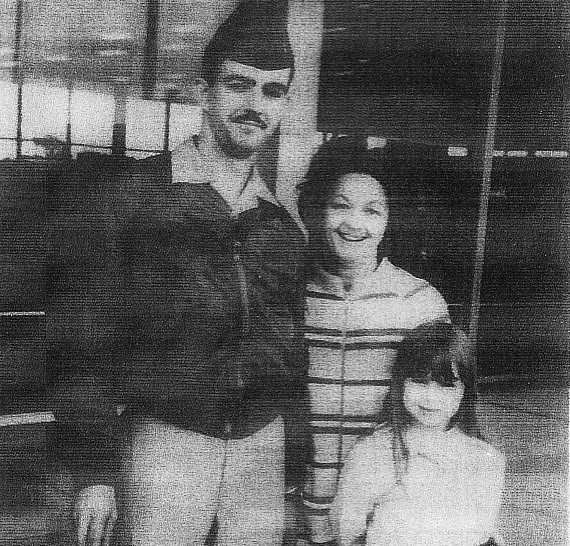
She was a shy little girl. I think maybe she was the most shy little girl I had ever met. I don’t remember what her voice was like, but she had long straight brown hair and short bangs. I think sometimes she wore braids. I always imagined she would have such a pretty smile—if she ever smiled. I don’t remember ever seeing her smile. But it was a long time ago. Her name was Julie Kink, and it was 1969 and I was about to turn nine years old. It was getting to be winter in Wisconsin. We were in third grade. I can remember third grade pretty well. We all went to an elementary school together and we were growing up together. I don’t remember ever seeing Julie Kink smile, and I don’t remember her voice. That was 32 years ago.
Our librarian was Mrs. Smith. She lived a few blocks from where we did, and I used to walk by Mrs. Smith’s house on the way to school. It was across from a baseball diamond where the path to school left the road and headed across a meadow and into a valley, across a footbridge that spanned a creek that was never rushing nor dry, and into the woods next to the school. I always liked library time when I was in third grade. It was before the internet, when kids knew the Dewey decimal system and books had colored tape stripes on their spines so you could find the subject you wanted. We had to speak quietly in the school library. We never got homework from the librarian. It was a friendly place. I don’t remember exactly what we did there during library time each week.
It was starting to be winter that year. 1969. I don’t remember what parts of third grade occupied my mind back then. There is one day I had forgotten about for a long time. For about 32 years. It came back to me today.
I remembered Julie Kink.
Julie Kink wasn’t in library class that day. No big deal, we kids often were gone from school for a day or two in those almost-winter weeks when it got dark early. Seems like we always had strep throat. Seems like we were always getting penicillin shots, and we’d be cured of strep throat for about another week. Julie was not in library that day. Mrs. Smith was teaching us something about library. I think maybe she was reading us a book. We were all scattered around the room on the floor. She was sitting in a chair. She was reading and showing us pictures. I bet it was a book about winter or birds migrating or Indians at harvest time or something like that.
Julie wasn’t there. Mrs. Smith closed the book and then folded her hands and looked out across the room and a peculiar distance came into her eyes. I don’t think she was a very old lady, but she looked old just then. I’m not sure why the responsibility to tell us fell to her that day. It always seemed strange to me afterwards that Mrs. Smith was the one who told us. We never wondered about it then, but I wonder about it now. Why the librarian? Mrs. Smith sighed and quietly said that she needed us to listen to her now, and listen in a special way. It was usually quiet in the library. It was very quiet just then.
Mrs. Smith told us that Julie Kink would be gone for awhile. Julie needed to be away because a bad thing had happened in her family. I had never thought about whether Julie Kink had a family. I just wondered what she might look like if she smiled.
Mrs. Smith said Julie Kink had a brother who was on the crew of a helicopter. It took me a few moments to understand the pause that followed. Mrs. Smith looked off in that distant way again, and there was silence.
If you flew on a helicopter in 1969, it meant that you were a soldier in Vietnam. There was a war going on in 1969. I knew it because I saw pictures on the news every night. Walter Cronkite would report how many Americans had died that day. I was always amazed because he would report how many Americans our government said had died, and he would say how many Americans the enemy said had died, and the numbers were never the same.
Julie Kink wasn’t going to be at school for awhile because her brother had been killed in the war. Mrs. Smith said he was in a helicopter that had been in combat. She told us that there was a thing called an ammunition dump. She said his helicopter had gone over the ammunition dump when it exploded. I can still remember Mrs. Smith sitting there, her book closed on her lap, raising both arms slowly in the air as she described how the exploding ammunition had destroyed the helicopter with Julie Kink’s brother in it. They had crashed after they flew over the explosion. We sat silently. Looking back on it, I still think it was a remarkable moment—the school librarian in a little elementary school in Wisconsin telling us third graders about the idea of an ammunition dump, and why Julie Kink wasn’t going to be at school for awhile.
It was getting to be winter. 1969.
That was 32 years ago. I don’t exactly remember what happened to Julie Kink. I don’t recall if I ever saw her smile. She was really shy.
I thought of Julie Kink again today. I never expected to, but I did. I’m a grown-up now. I have a beautiful wife and two beautiful daughters. None of them are shy. One of my daughters is in third grade and it’s getting to be winter. I was thinking of them today because I miss them. I’m a grown-up and I get to travel sometimes and today I’m in Washington D.C., far from my home in Minnesota. I don’t come here to Washington very often. I think just three times in my life. I thought about Julie Kink today.
After all my grown-up meetings something told me to take a long walk and breathe the beautiful fall air in Washington D.C. I did. Something told me to walk the few miles from my hotel to see the Vietnam Veteran’s Memorial. I had been there once before, long ago, when the memorial was new and everyone was arguing about it. When I got there again today, it seemed smaller than I remembered. The trees were all grown. I passed through the monument path once, remembering the feelings I had felt the first time I visited. As I turned at the far end of the path beside the black, shiny marble wall, I saw the thick paper book listing all the names of the dead soldiers that were etched on the wall.
I thought of Julie Kink just then. I hadn’t thought of her for a long time. I began to wonder about her. Did she know her older brother very well when he went off to Vietnam? How much did he love his little sister?
Was he thinking about her and about our little town in those moments when an inferno was spreading out below him in the jungle in 1969?
It only took me a moment to find his name in the book. David Kink. Middleton, Wisconsin. Panel 20W, line 92. He had died in the Fall of 1969. There it was, right in the book. I thought about Julie Kink, and I thought about being in third grade and I headed back to the wall. I passed my fingers across the name on the wall. David Kink. I wondered if Julie Kink had ever stood there, now a grown-up, and touched those letters. I found myself praying. Our God lives outside of time. I prayed for David Kink, that he had trusted in Jesus Christ before the day he died. I prayed for Julie Kink and for her mom and dad. I prayed that their lives had been blessed and that they had been comforted and come to know Christ. Somehow.
I hadn’t thought of Julie Kink for a long time. She was really shy. I think maybe she was the most shy little girl I had ever met.
10.19.01
For a reading of this story in Washington D.C. by its main character, please look here.
Subscribe to:
Posts (Atom)